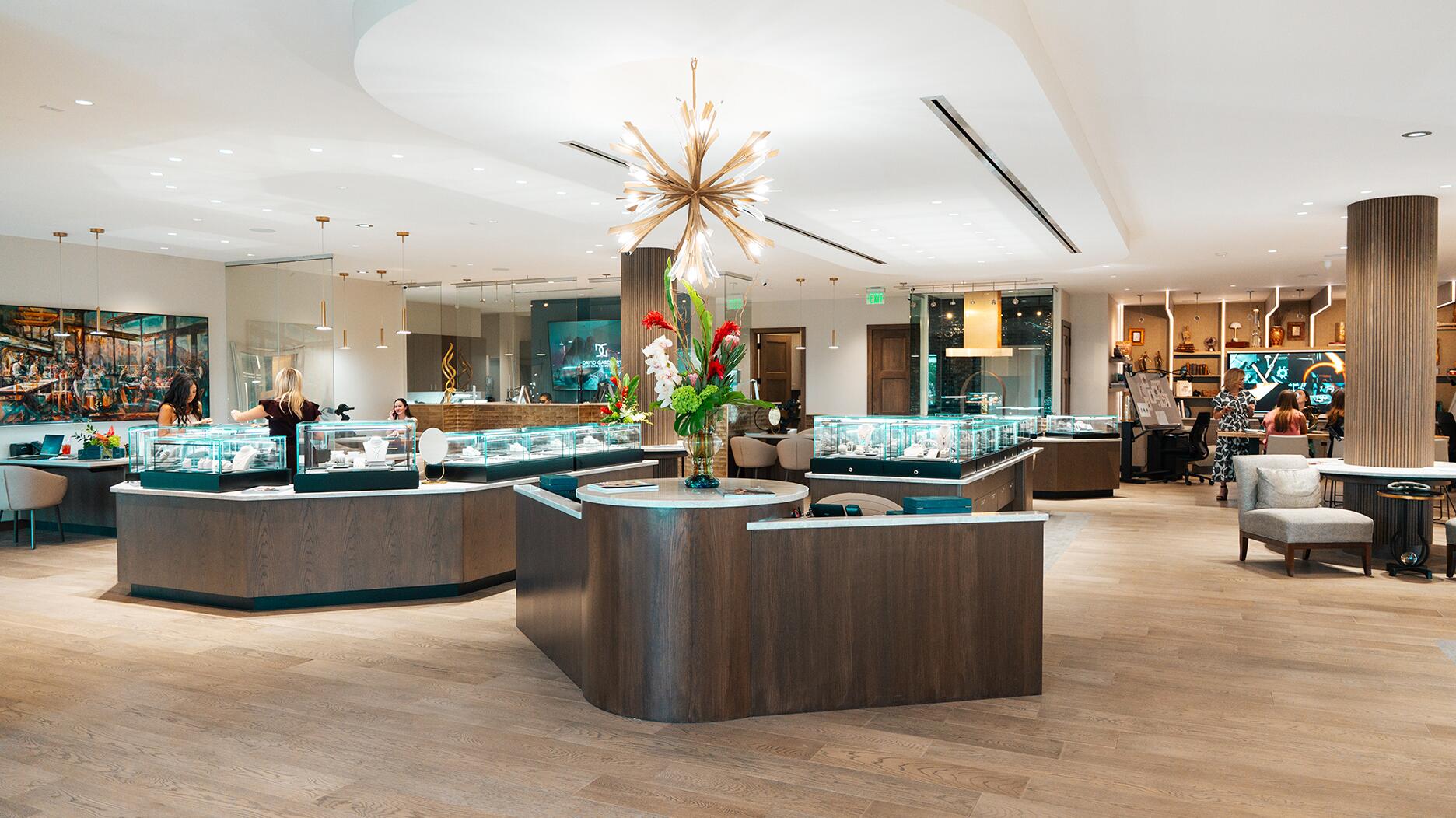
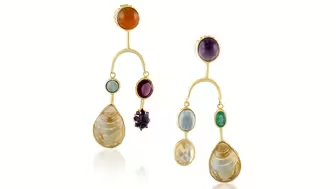
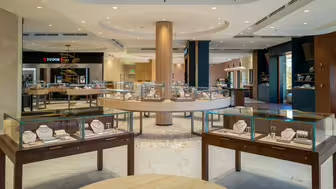
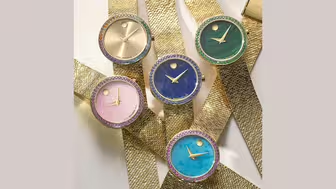
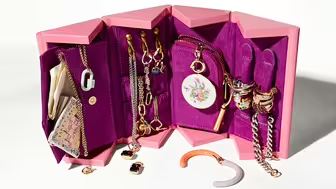
Shoppers in Bellman’s Jewelers’ Boston location. For the State of Retail story in the 2026 State of the Majors issue, National Jeweler highlighted six consumer trends retailers should note this year, including how financial instability has changed the way Gen Z sees luxury and the generation’s unique take on nostalgia.
Editor’s Note: This story first appeared in the print edition of the 2026 State of the Majors. Click here to see the full issue.
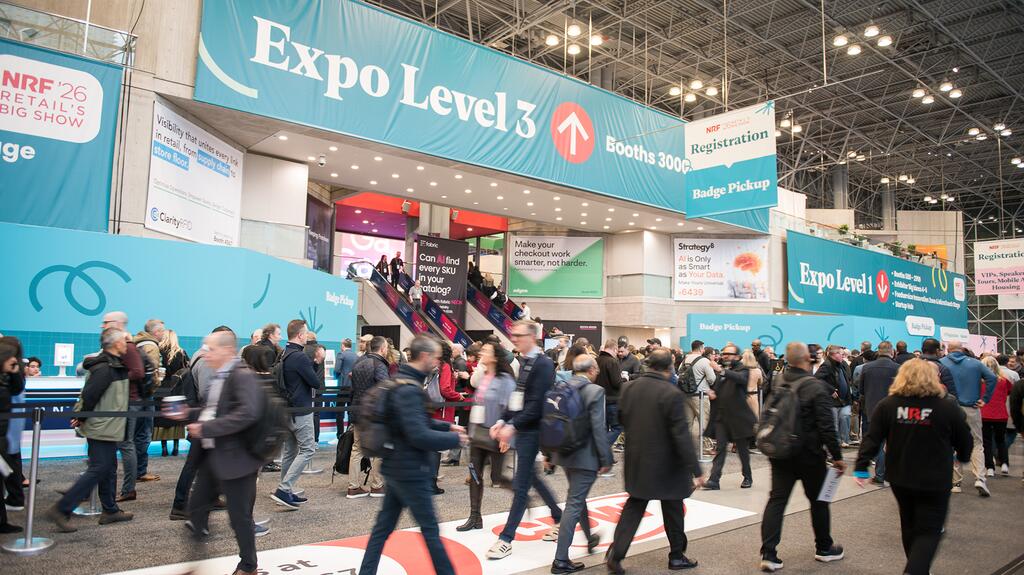
At the beginning of 2026, retail heavyweights descended on New York City’s Javits Center for the National Retail Federation’s annual trade show, dubbed Retail’s Big Show.
From AI advancements to omnichannel optimization, retail executives and industry analysts came to talk shop and strategize for the year ahead.
In search of the top consumer trends, we too headed to the show to hear from the experts.
Then we did some research of our own, reading surveys, digging through data, and talking to jewelry store employees to see if the consumer behaviors we’d heard about squared with their recent experiences with customers.
They talked to us about why consumers, particularly younger consumers, gravitate toward lab-grown diamonds, changing attitudes around trends, and how independent jewelers should be using TikTok.
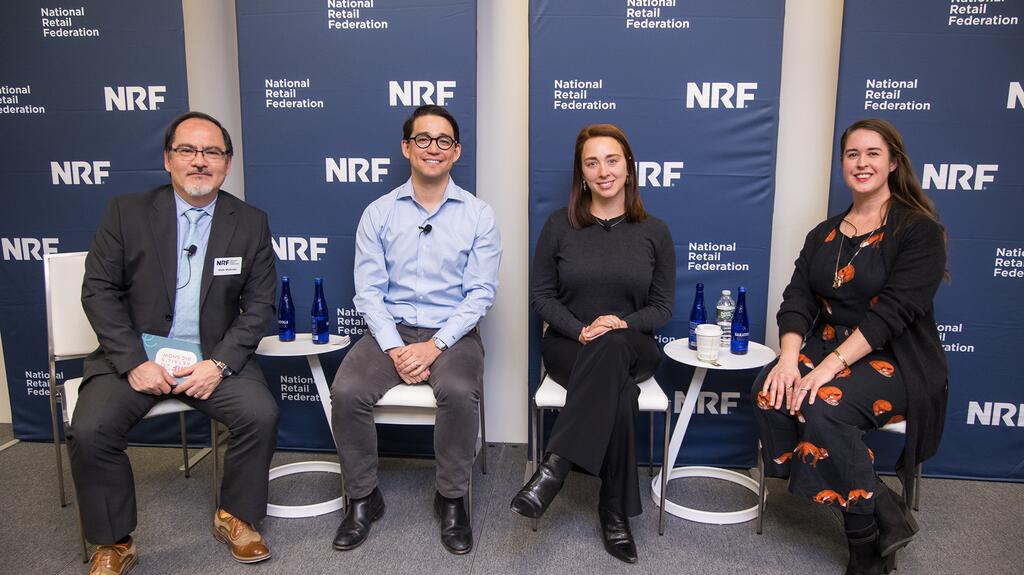
1. A rise in spending does not mean all is well. At Retail’s Big Show, Mark Mathews, NRF’s chief economist and executive director of research, led a press briefing about the consumer outlook for 2026, joined by retail experts and data specialists.
The NRF had good news to share at the start of the year, with 2025 holiday sales up around 4 percent, in line with its annual forecast.
However, these positive numbers, which are not adjusted for inflation, don’t necessarily mean everyone is spending more money nor were they indicative of consumers’ year-round behavior or a sign of things to come in 2026.
Peter Volberding, senior director at Pyxis, Bain & Company’s alternative data and analytics arm, shared some insight into the economy and consumer spending during the press panel.
He discussed what economists refer to as a K-shaped economy, the letter used to illustrate an uneven economic recovery—one side goes up (the wealthy) and one side goes down (lower-income consumers).
When one looks at who was spending money and where in 2025, there’s a clear divide by income level.
“The top 50 percent [of earners by income percentile] increased their spending in 2025. The bottom 50 percent, across all categories, decreased [their spending]. It’s really the top 10 percentile that’s driving most of the growth,” Volberding said.
This trend is expected to continue in 2026. The NRF is forecasting retail sales for the year will be up 4 percent, with spending bifurcated between higher- and lower-income consumers.
While all groups spent more on staple goods in 2025, only the top 30 percent spent more on discretionary items.
“You really start to see that even though people are forced to pay for groceries and utilities, when you look at discretionary spending, that’s much more limited,” Volberding said.
The top 10 percent of consumers drove 80 percent of all discretionary spending in 2025, he said.
Volberding also looked at where these different groups were spending their extra money.
The top 30 percent or so were driving growth in restaurant and apparel sales, while the top 15 percent were driving sales in travel, leisure, and experiences.
“At the very, very top, the 5 percent was [driving] luxury. Watches and jewelry, as well as department stores,” he said. “That’s the most indicative of [a K-shaped] economy.”
The National Retail Federation held its annual trade show, Retail’s Big Show, at the Javits Center in New York City in January.
2. Financial instability has altered the definition of luxury for Gen Z. While the K-shaped economy has only recently become an economic buzzword, younger consumers have long been aware of the issue of income inequality.
MaryLeigh Bliss, chief content officer at Gen Z and millennial market research firm YPulse, shared her insights on younger shoppers and their spending patterns during the NRF panel.
Gen Z refers to people born between 1997 and 2012 (ages 14 to 29), while millennials were born between 1981 and 1996 (ages 30 to 45), according to the Pew Research Center.
These past few years have begun to shape Gen Z’s shopping behaviors, said Bliss, and that mentality will stay with them as they grow up.
According to YPulse data, when asked about their financial outlook, most Gen Z respondents consistently think a recession is imminent. More than half don’t expect the economy to improve in 2026.
“For years, they have been tense and on the brink of financial ruin,” she said. “This generation has truly drawn the short stick in terms of growing up with financial instability. The reasons have fluctuated, but that feeling of not knowing if next year is going to be financially stable has been their constant.”
The NRF panel included (from left) Mark Mathews, NRF’s chief economist and executive director of research, Peter Volberding, senior director at Pyxis, Maria Arand, director of the office of the customer team at 84.51°, and MaryLeigh Bliss, chief content officer at YPulse.
Alex Bellman, chief operating officer at Bellman’s Jewelers in New England, shared his insights into younger customers and the considerations they make when buying jewelry.
“I haven’t seen a downtick in price point, but they want more for their dollar,” he says.
“Ten to 12 years ago, my average customer who bought an engagement ring was spending between $5,000 to $10,000. That’s still the same today. They just want a [lab-grown diamond] because their dollars are worth so much less now.”
Though the price of natural diamonds has come down, he says his customers saw how little they were getting for their dollar with natural versus lab grown, and they aren’t concerned with how little their lab-grown diamond could be worth in the future.
He says his customers tell Bellman’s sales associates, “I don’t want to upgrade 10 years down the road because I can barely afford my house. So, I want the ring I want now.”
Jayden Inge, customer concierge and bridal assistant at Henne Jewelers in Pittsburgh, said a lot of young couples shopping for engagement rings understandably have less to spend than the store’s well-established, older customers.
“They definitely are more budget conscious, like with lab-grown diamonds,” she says. “Getting a big look for less is something they lean towards.”
Bliss, the YPulse executive, said Gen Z consumers’ early life experiences have “completely changed” their definition of luxury.
While previous generations wouldn’t have classified brands such as Nike and Victoria’s Secret as “luxury,” for Gen Z shoppers, who gravitate toward big-box stores, thrift stores, and dollar stores, these brands’ higher-priced goods count as luxurious.
“That’s not going to change drastically [just] because they’re aging up unless the economy drastically changes, which they don’t see happening,” Bliss said.
“For Gen Z, it’s really that their mentality around brands, around luxury, around products, around retail, is being conceptualized during complete instability.”
3. “Doom spending” and “little treat culture” are signs of the times. If Gen Z, as well as other consumers, think the world is falling to pieces, why are they still spending? The ominous-sounding phenomenon known as “doom spending” might explain some of it.
“For younger consumers … we see this mentality of, ‘This is terrible. The world is aflame. But I am going to continue to spend or, actually, I’m going to spend because of that,’” Bliss said.
A significant number of Gen Z consumers “feel like they really don’t have a reason to save for the future, so they might as well just spend and make their lives good now.”
Henne Jewelers’ Inge says, “I do kind of fall into that doom-and-gloom pessimism. I think a lot of it is influenced by what you see on social media, the constant updates.” She’s also found herself doom spending.
“Whether I’m scrolling or it’s something in real life, I [like] a little retail pick-me-up.”
Cassidy Boyle, Henne Jewelers’ sales support and social media specialist, says she limits her exposure to social media outside of work to combat those feelings of hopelessness that spur spontaneous spending.
“I try not to look so much on social media and not be affected by what everyone else is feeling. I try to be very careful with what I consume.”
Boyle, who is saving up for her wedding, worries her peers have a problem with overconsumption.
While a lot of Gen Z shoppers aren’t jewelry customers yet, she thinks they’re likely spending lots of money elsewhere in search of what they perceive to be a better value.
“I don’t think Gen Z people are buying from a fine jewelry store quite yet, but I do think Gen Z is spending more money on cheaper things, more and more excess,” she says.
“At other stores, like Zara or H&M, they think that they’re saving money and they can get more for their buck. They won’t save up as much to shop at a fine jewelry store.”
Related stories will be right here …
Bliss noted that Gen Z consumers who are better off financially are not necessarily immune to these feelings.
“That mindset is really shaped by the culture as opposed to [what is] within their specific wallets,” she said.
If this mindset feels dramatic or overly pessimistic, it’s important to note that several major events, from a financial crisis to a pandemic to tariffs and significant inflation, have all happened in their relatively short lifetimes, said Bliss.
“It’s all happened as they’ve been aging up into their financial independence,” she said. “So, you can’t blame them for thinking things aren’t going to be great next year either, because looking in the rear-view mirror, they’ve really run through the gamut at young ages.”
Most Gen Z shoppers said they have “doom spent” to make themselves feel better about the state of the world, as per YPulse data.
“All these things intertwine for them. They’re doom-scrolling, then they see something in their feed, then they impulse buy to feel better,” Bliss said.
When you combine low funds with impulse buys, you get what’s known as “little treat culture,” a term used to describe the practice of getting yourself a little something nice, like a coffee or an accessory.
Those who partake in the practice feel like they deserve a pick-me-up, particularly in light of world events, personal struggles, or both.
It’s an old joke by now that millennials would own a home if they just stopped buying coffee and avocado toast. When that math didn’t quite add up, there was little stopping the next generation from treating themselves.
“They’re doom-scrolling, then they see something in their feed, then they impulse buy to feel better.” -MaryLeigh Bliss, YPulse
Retail insight company Acosta Group noted the trend of consumers splurging even as they pull back on discretionary spending.
“Brands and retailers must respond by creating opportunities for small, satisfying splurges,” said Kathy Risch, Acosta Group’s senior vice president of shopper insights and thought leadership.
“By delivering special experiences through quality, uniqueness, and indulgence, brands and retailers can tap into consumers’ desire for ‘little luxuries.’” What constitutes a “little luxury” depends on one’s budget.
Inge says she enjoys buying a coffee to start off her day, but a jewelry purchase also fits the bill now and then.
“Working in a jewelry store, it’s very easy to say, ‘Oh that’s not that much, I could get that.’ I do buy a lot of jewelry. Even though it’s not a super little treat, I can kind of convince myself that it is,” she says.
4. The TikTok Shop is taking off. Many of those looking to doom scroll and make impulse purchases find themselves on TikTok, and, inevitably, the TikTok Shop.
Impulse shopping is a huge part of Gen Z behavior because of social media inspiration, said Bliss.
According to data presented during the panel at the NRF show, TikTok Shop sales were up about 23 percent year-over-year this past holiday season, and more than half (55 percent) of the store’s customers are between ages 18 and 24.
“I think if an independent jeweler wants to use TikTok, they should use it to talk about what makes them different.”-Alex Bellman, Bellman’s Jewelers
While Boyle, 26, has not bought anything through the TikTok Shop, Inge, 23, has made a few purchases, including dresses and makeup.
It’s the seamless connection between inspiration and purchase that makes it so popular, Bliss said.
Shoppers are scrolling in their feed, see the product being advertised by brands or influencers, and then they can buy it right in the app.
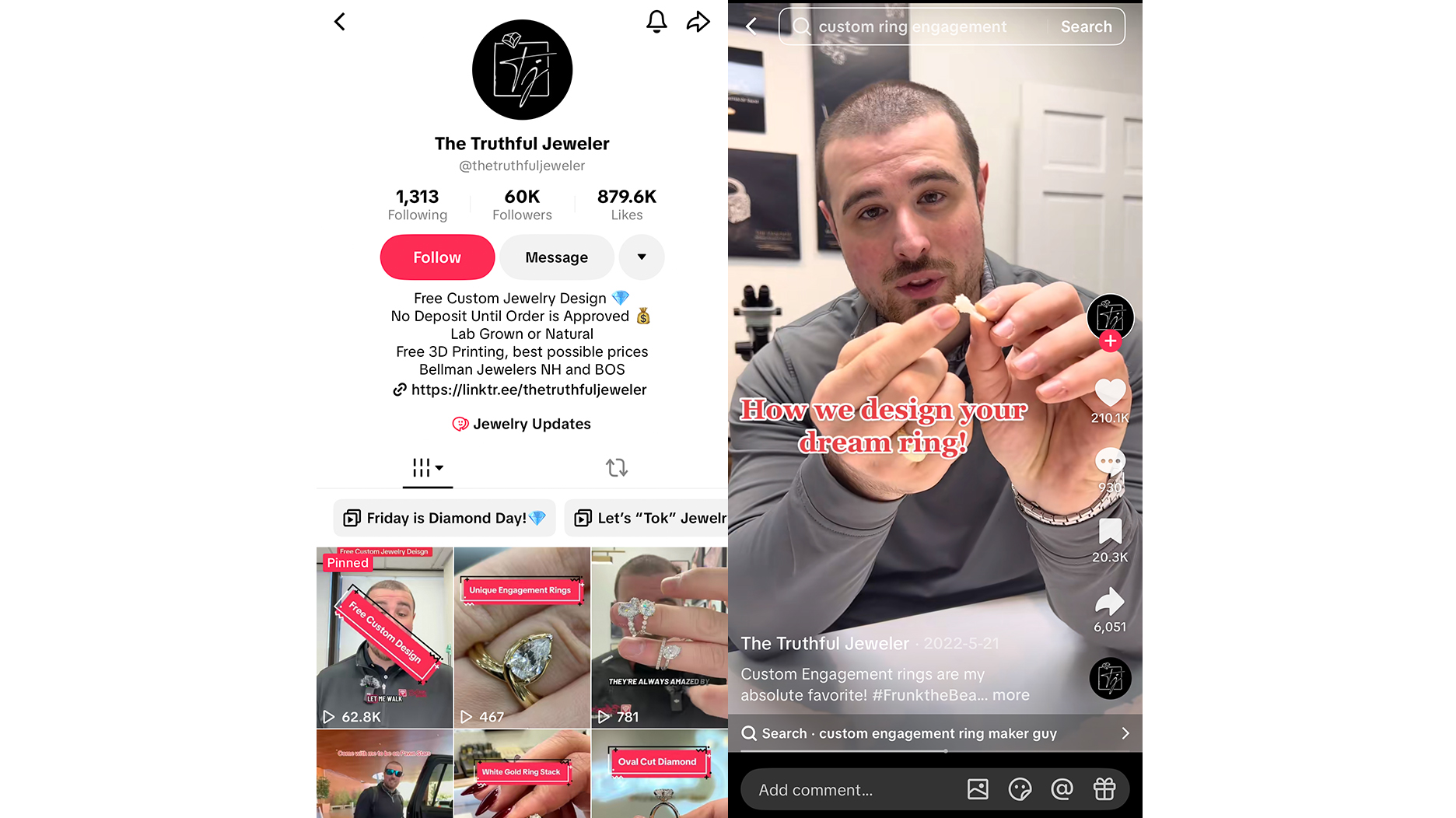
Bellman, the New England jeweler, grew his family business through the popularity of his “The Truthful Jeweler” education channel on TikTok, opening a second store and increasing his employee count from six to more than 20.
TikTok has been a powerful growth driver for his business, he says, with strong traffic from TikTok to the retailer’s website. He says he brought his second location in Boston to profitability using only TikTok and no other advertising.
Direct sales via the TikTok Shop, however, have proved to be a challenge.
He listed a pair of diamond studs on the TikTok Shop, just to get a sense of how it worked. The process was an “absolute nightmare” that took a handful of days once all the origin info was inputted, he says.
The fact that the item he was selling wasn’t mass-produced like many of the consumer goods available there made it even more difficult, he says.
Alex Bellman of Bellman’s Jewelers runs “The Truthful Jeweler” page on TikTok to educate viewers about jewelry.
Still, Bellman encourages fellow jewelers to hop aboard the TikTok train, even if the TikTok Shop may not be quite ready for fine jewelry sellers.
“I think if an independent jeweler wants to use TikTok, they should use it to talk about what makes them different. Going on and talking about a tennis bracelet that anybody can buy at any jewelry store really isn’t a great idea,” he says.
“It’s such an incredible driver of business for a small business. There’s just nothing like it.”
5. Buy now, pay later remains a popular choice for shoppers. Buy now, pay later, or BNPL, is the modern-day version of layaway, with companies like Klarna, Affirm, and AfterPay offering customers the option to pay in installments.
Online shoppers can utilize BNPL at Kay Jewelers, Zales, and Pandora, as well as at independent jewelers like Ylang 23 and Lux Bond & Green.
While Bellman’s Jewelers does offer Affirm, Bellman says he hasn’t seen a big uptick in people using the service. In fact, he notes that the store has seen a huge decrease in customers using financing since lab-grown diamonds have become popular.
“Most of my friends and myself, we just went into credit card debt. That’s why I’m an elder millennial,” Bellman jokes.
About 45 percent of 18 to 39 year olds planned to use BNPL services for the holidays, noted Bliss.
While Boyle has only used a BNPL service once, Inge has used them often.
“Honestly, [I use it] for everything. Usually around the $50 amount, I can kind of convince myself it makes sense to split this up into four payments,” Inge says. “It’s little, small amounts, but it feels better that it didn’t all come out of my account at the same time.”
More than one-quarter of U.S. consumers have used short-term installment loans to finance purchases, according to an April 2025 survey by Morgan Stanley AlphaWise.
Younger consumers have the highest adoption rate, as per the survey, including those ages 16 to 24 (41 percent) and ages 25 to 34 (39 percent).
They are less popular among older shoppers. Only 12 percent of those ages 55 to 64 and 11 percent of those 65 and older have used short-term installment loans, according to the survey.
Interestingly, the survey showed that short-term installment loans are most popular with high-income households, with 38 percent of BNPL shoppers having an annual income between $100,000 and $150,000 per year.
Of those who make between $25,000 to $50,000, around 27 percent use BNPL.
The average loan balance is $760, said the survey.
While one might assume these loans are for splurges, like travel or tickets, many consumers use BNPL for everyday purchases rather than one-offs, it said.
The three most popular categories are clothing and footwear, electronics, and groceries.
“We do not yet think BNPL poses a risk that consumers have taken on too much debt, but we are wary of increased usage in the future, considering the current lack of reporting as well as greater usage among younger consumers,” James Faucette, head of Morgan Stanley’s U.S. Fintech and Payments Research Team, said in a press release about the survey.
6. Younger shoppers have an interesting definition of nostalgia. There’s nothing new under the sun, so they say, and fashion trends and styles have a habit of circling back around, from antique to Y2K chic.
That may no longer be the case. If millennials killed cable television, then Gen Z’s victim is the trend cycle.
“Their nostalgia really has no rules,” said Bliss, noting that brands used to be able to rely on the 10- to 20-year trend cycle.
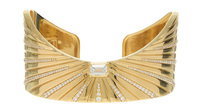
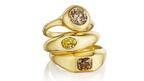
For example, Pinterest’s 2026 trends report said both geometric Art Deco designs and bold, chunky yellow gold jewelry à la the 1980s are in this year.
Younger consumers can be nostalgic for things from decades before they were born, from their childhood, or from a few years ago, she said, adding that even COVID times can evoke feelings of nostalgia in this generation.
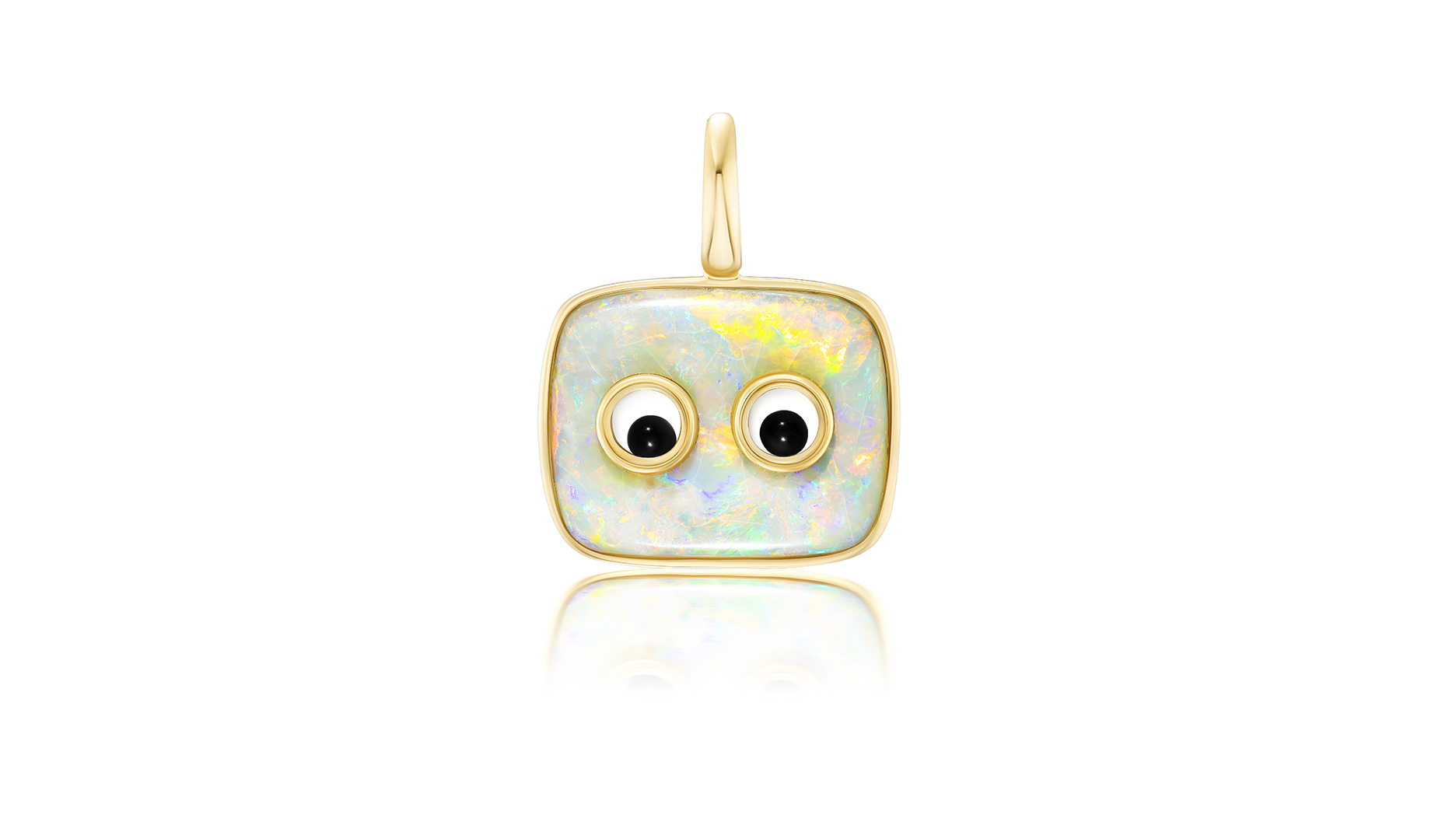
Jewelry brands are playing into the nostalgia trend, like the “Lil’ Buddies” collection by Harwell Godfrey, which is a playful nod to the Pet Rock toys. This one is named “Gus” and is made in 18-karat yellow gold with a 17.81-carat opal face and googly-eyes made of crystal and onyx.
“When the world feels like a negative place, all of a sudden those rose-colored glasses are really looking at things that are up close,” Bliss said.
“You can expect Gen Z to really disregard all rules when it comes to bringing back trends. They’ll bring back a trend from two years ago and rebrand it. They’ll tell us that things that were ‘cringe’ last year are back again.”
Bliss cited the dizzying ebb and flow of the skinny jeans versus wide-leg jeans debate as an example.
“The collapse of the trend cycle is imminent and happening. One of the reasons why is because trends just move so quickly on social media.”
In fact, 77 percent of 13 to 39 year olds agreed that trends move too fast for them to keep up with, as per YPulse data.
“They’re really watching this fire hose trying to come at them, and they’re picking and choosing which they want, and it can be from 15 years ago or two years ago and both are relevant and valid to them.”
Both Boyle and Inge say they don’t follow trend cycles too closely, opting for their own personal style.
“I definitely do my own thing. I don’t really have a certain aesthetic that I follow,” says Inge.
“I couldn’t really tell you style-wise what exactly is trending. I feel like they just change so often that as soon as you start following the trend, it shifts.”
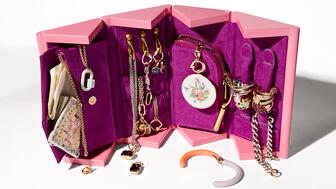
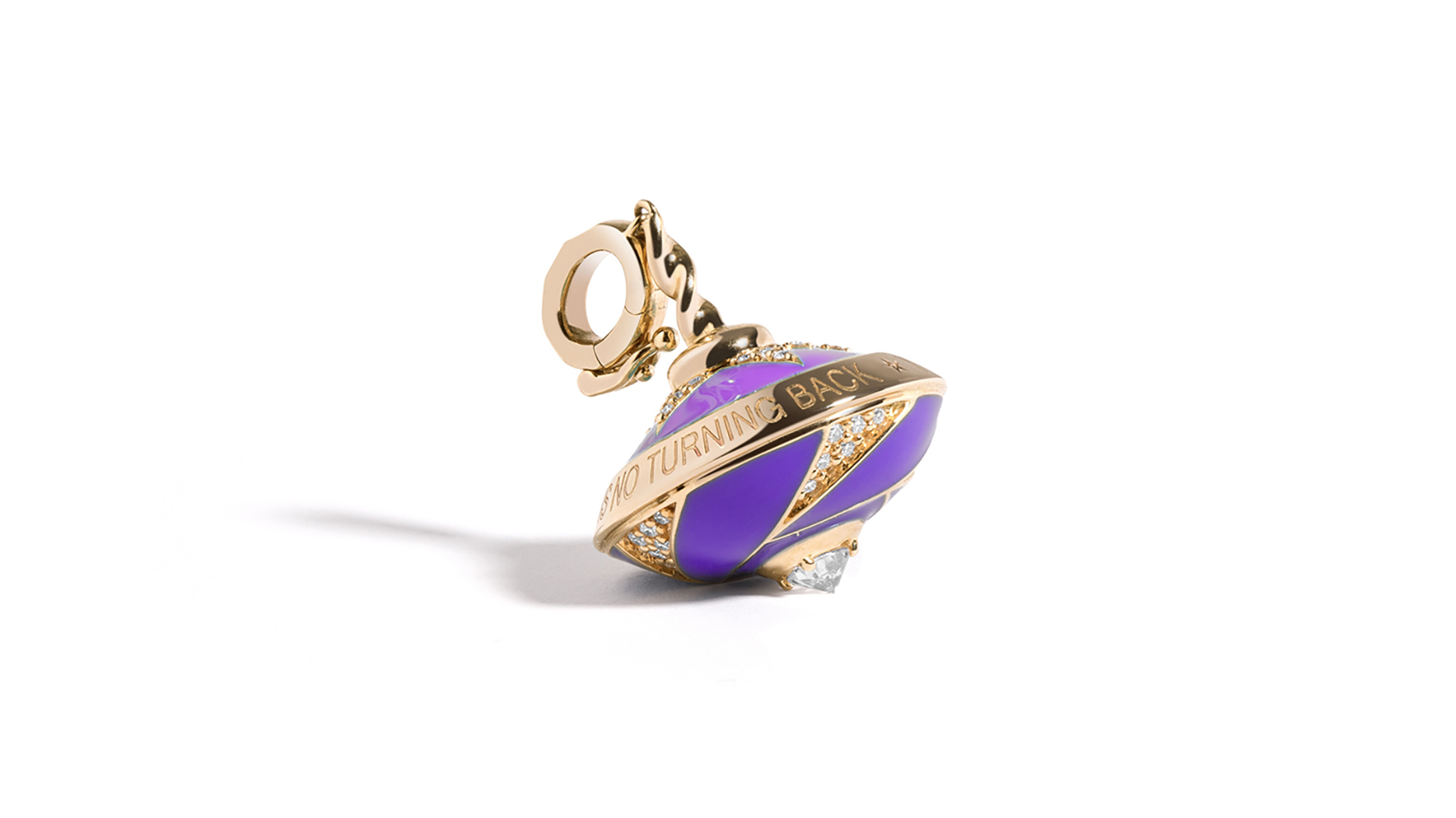
The “Retrospect” pendant in 14-karat yellow gold with purple enamel and diamond accents from Mined + Found’s “Play” collection
The term “kidulting” has emerged from the nostalgia trend, as more adults take on hobbies and interests typically reserved for children as a form of stress relief, self-care, and a way to exercise their creativity.
Think “Disney adults” or the rise in popularity of Lego sets among people of all ages.
The doom-and-gloom mindset and the penchant for nostalgia may have some retailers scratching their heads, but being open-minded can be the difference between success and failure.
“While older generations might not understand the way [younger consumers] approach adulthood, I think it is really rife with opportunities for a lot of brands if they can authentically look at Gen Z’s behaviors and embrace the opportunities that do exist there,” Bliss said.
Younger shoppers are still ready to spend, even if their financial outlook isn’t upbeat.
Even as technology advances and tastes shift, some things never change.
For example, shoppers still value transparency, particularly in the age of AI, and they enjoy a fun in-store experience, like the nostalgic thrill of Black Friday shopping, said the panelists at the NRF show.
There’s a lot for retailers to look forward to with this younger generation, noted Bliss.
“We’re excited to see, as they age into their adulthood, the ways that they’re reshaping milestones, the way they’re reshaping retail.”