









ColumnistsDec 16, 2025
Beyond Unboxing: Creative Reveals to Drive Reach and EngagementColumnistsJan 07, 2026
Peter Smith: Physical Retail—The Beginning or the End?
As the shopping mall model evolves and online retail grows, Smith shares his predictions for the future of physical stores.


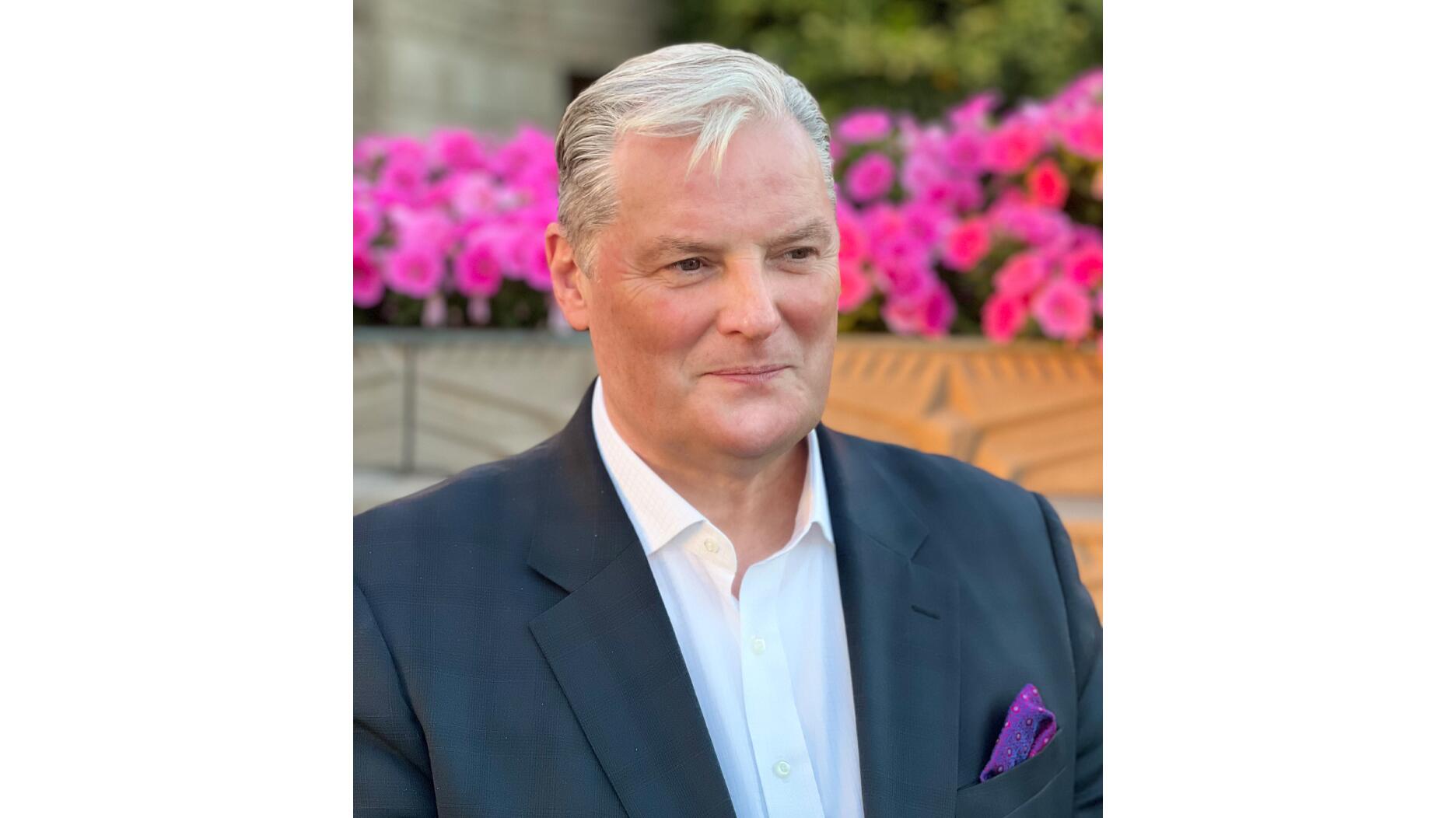
Peter Smith is an industry consultant, speaker, sales trainer, and author. He can be reached via email at TheRetailSmiths@gmail.com.
With a nod of appreciation to noted Indian author Shashi Tharoor for co-opting his turn of phrase, physical retail is either a former powerhouse in an advanced state of decline, or an entirely new model in the earliest stages of its evolution.
Your perspective on whether it is the former or latter can be backed with any number of available data points you might choose in support of your own bias.
However, while facts and data matter, they often obscure a deeper truth.
Fewer Malls, Fewer Retailers
Traditional shopping malls have contracted at a rate not previously seen since the first of their kind opened in Edina, Minnesota, back in 1956.
We’ve gone from a 1980s high of 2,500 malls nationwide to about 1,200 today.
That said, even as the traditional malls model contracts, we’ve witnessed the continued emergence of what might loosely be described as “lifestyle centers,” a model that is more interesting to Apple, Lululemon, Aritzia, and Whole Foods, to name just a few.
More importantly, it’s a model that appears to be popular among younger shoppers.
There’s no doubt the retail landscape has shifted in recent years and has swallowed, or will swallow, former powerhouses such as Sears, J.C. Penney, and Lord & Taylor.
Bed Bath & Beyond, Forever 21, and Party City also were among the countless casualties in recent years, taking their collective 3,000-plus stores out of commission.
Even Rite Aid, unable to differentiate itself amid a sea of sameness in its category, closed all 1,200 locations.
Kohl’s, founded in the same year (1962) that gave us Walmart, Target, and Kmart, seems to have completely lost its way in recent years.
A visit to Kohl’s today shows the once organized and brand-friendly merchant having morphed into a junked-up shell of its former self, with packages strewn about the place in full view of snaked aisles of tchotchkes leading to overworked checkout personnel.
Kohl’s is a case study, if ever there was one, for the undifferentiated retail middle.
As of writing, Macy’s is finally showing signs of life under their latest CEO, Tony Spring, but time will tell if that turns out to be a false dawn.
Saks Fifth Avenue and Neiman Marcus are now ensconced in an unlikely alliance that may or may not help either one, as parent company Saks Global appears to be teetering on the brink of bankruptcy.
What About Retail Jewelers?
The picture has not been much better for retail jewelers, as the 1980s high of about 40,000 retail outlets selling jewelry sits today at about 15,000 and contracting.
Some of that contraction is, of course, related to the aforementioned downsizing of traditional malls and department stores, but much has come from an ongoing decline in the number of independent retail jewelry stores.
The “people are retiring” argument frequently offered as an explanation for that contraction in independent retailers seems to miss an important point; throughout the course of history people have always retired.
The difference today is that there are fewer “next generation” and/or staff members willing to buy into the business than in years past.
Even as the data shows an ongoing contraction with independents, my own casual observations show that some of the top performers are those with a strong next generation at the helm.
The Rolex Effect
We’ve also witnessed a phenomenon among independent retailers in recent years that I haven’t noticed before, as stores, including high-profile names around the country, are closing their doors permanently after losing Rolex.
The degree to which cause and effect is in play with these and similar retailers can be debated, but there’s no doubt that our business and the local communities are worse off for having lost stores such as Alvin Goldfarb Jewelers (Washington), Haltom’s (Texas), Adler’s (Louisiana), Robert C. Wesley Jewelers (Arizona), IW Marks (Texas), and Treiber & Straub (Wisconsin), to name just a few.
It’s not always announced if a store closing is tied to losing Rolex, but the pattern is not hard to discern.
Related stories will be right here …
Your perspective on whether it is the former or latter can be backed with any number of available data points you might choose in support of your own bias.
However, while facts and data matter, they often obscure a deeper truth.
Fewer Malls, Fewer Retailers
Traditional shopping malls have contracted at a rate not previously seen since the first of their kind opened in Edina, Minnesota, back in 1956.
We’ve gone from a 1980s high of 2,500 malls nationwide to about 1,200 today.
That said, even as the traditional malls model contracts, we’ve witnessed the continued emergence of what might loosely be described as “lifestyle centers,” a model that is more interesting to Apple, Lululemon, Aritzia, and Whole Foods, to name just a few.
More importantly, it’s a model that appears to be popular among younger shoppers.
There’s no doubt the retail landscape has shifted in recent years and has swallowed, or will swallow, former powerhouses such as Sears, J.C. Penney, and Lord & Taylor.
Bed Bath & Beyond, Forever 21, and Party City also were among the countless casualties in recent years, taking their collective 3,000-plus stores out of commission.
Even Rite Aid, unable to differentiate itself amid a sea of sameness in its category, closed all 1,200 locations.
Kohl’s, founded in the same year (1962) that gave us Walmart, Target, and Kmart, seems to have completely lost its way in recent years.
A visit to Kohl’s today shows the once organized and brand-friendly merchant having morphed into a junked-up shell of its former self, with packages strewn about the place in full view of snaked aisles of tchotchkes leading to overworked checkout personnel.
Kohl’s is a case study, if ever there was one, for the undifferentiated retail middle.
As of writing, Macy’s is finally showing signs of life under their latest CEO, Tony Spring, but time will tell if that turns out to be a false dawn.
Saks Fifth Avenue and Neiman Marcus are now ensconced in an unlikely alliance that may or may not help either one, as parent company Saks Global appears to be teetering on the brink of bankruptcy.
What About Retail Jewelers?
The picture has not been much better for retail jewelers, as the 1980s high of about 40,000 retail outlets selling jewelry sits today at about 15,000 and contracting.
Some of that contraction is, of course, related to the aforementioned downsizing of traditional malls and department stores, but much has come from an ongoing decline in the number of independent retail jewelry stores.
The “people are retiring” argument frequently offered as an explanation for that contraction in independent retailers seems to miss an important point; throughout the course of history people have always retired.
The difference today is that there are fewer “next generation” and/or staff members willing to buy into the business than in years past.
Even as the data shows an ongoing contraction with independents, my own casual observations show that some of the top performers are those with a strong next generation at the helm.
The Rolex Effect
We’ve also witnessed a phenomenon among independent retailers in recent years that I haven’t noticed before, as stores, including high-profile names around the country, are closing their doors permanently after losing Rolex.
The degree to which cause and effect is in play with these and similar retailers can be debated, but there’s no doubt that our business and the local communities are worse off for having lost stores such as Alvin Goldfarb Jewelers (Washington), Haltom’s (Texas), Adler’s (Louisiana), Robert C. Wesley Jewelers (Arizona), IW Marks (Texas), and Treiber & Straub (Wisconsin), to name just a few.
It’s not always announced if a store closing is tied to losing Rolex, but the pattern is not hard to discern.
The News Is Not All Bad
As of writing, The Edge Retail Academy has just released December sales data for independent jewelry stores, and we have seen the culmination of the best five-year run in the history of our business, with a strong 5 percent increase for the month versus the previous year.
Ironically, the tariff craziness and runaway gold prices helped retailers deliver a strong 2025, not because those two things drove more people into stores—they didn’t—but because the tariffs and gold prices helped raise average tickets.
The other side of that coin, however, shows December as one of the three worst (non-COVID) months for unit sales since the financial crisis of 2009, with a 6 percent decline.
This follows significant unit declines in November (down 8 percent) and August (down 8 percent) and points to a trend that bears watching in the early months of the new year.
Online and Social Selling
Any discussion of the evolution of physical retail must include the impact of online sales.
Amazon alone is responsible for about 40 percent of total online sales, but consumers are increasingly shopping on Instagram, Tik Tok, and Facebook.
Unsurprisingly, artificial intelligence (AI) has become an important factor in driving consumer shopping behavior and likely will become even more so in time.
With the reduction in the number of traditional malls, the number of physical retail stores declining, and online retail now accounting for 16.3 percent of sales (second quarter 2025), what are the prospects for physical retail?
Are we witnessing the beginning of the end of retail as we know it?
“Retail is a three-lane highway that is quickly becoming two lanes. Those retailers caught in the middle will be roadkill.” — Peter Smith
A Three-Lane Highway Going to Two Lanes
As it happens, and somewhat counter to some of the trends, I believe the future is extremely bright for physical retail, but not for everyone.
In fact, I would argue that retail is a three-lane highway that is quickly becoming two lanes. Those retailers caught in the middle will, in my view, be roadkill.
Unfortunately, many independent retailers occupy that middle lane, believing they are providing both a fabulous customer experience and better-quality products at great prices.
While reasoned heads can agree or disagree on the definition of what “quality” products look like from one retailer to the next, it’s hard to argue that great customer experiences and best-in-quality products don’t lend themselves to off-price environments.
There is nothing wrong with being an off-price retailer that treats their customers well.
There is a big business to be had in doing that well. If that’s your lane, own it and execute the heck out of that model. We’ve seen off-price retailers do well in retail broadly when they execute well (Walmart) and struggle when they don’t execute well (Kmart).
If you’re a branded luxury retailer, however, lean into that and stop pretending to be all things to all people.
The paradox of selling Rolex, for instance, while discounting your diamond inventory has always struck me as an odd strategy.
It’s almost as if we are apologizing for the non-Rolex inventory and, in choosing to discount it, admitting that we don’t believe they’re worth the suggested retail price we put on them in the first place.
If you’re off-price retail, then lean into that model and provide the best experience you can for the products you are selling.
Your customers know they are not shopping at Harry Winston or Graff, so lean into what you do best which, presumably, is somewhere along the lines of good-enough quality at retail prices that are accessible and inclusive and, hopefully, a culture of service delivered by a committed team.
If you are a branded retailer with higher-quality products, you will of course charge more and, of necessity, you are obliged to provide an exceptional experience to what is, by default, an exclusive club.
However, the confusion comes when retailers try to be a combination of both of those models.
And that, unfortunately, is where far too many independent retailers reside today, believing themselves to be both price inclusive and product exclusive, a strategy that finds them in the middle of a three-lane highway that merging into two lanes.
“The need to be around other people, even those we do not know, is fundamental, even for introverts.”— Peter Smith
Why Physical Retail Will Always Work
If you believe that physical retail is on its last legs, and that the decades-long decline in foot traffic portends darker days for the industry, you’d do well to note that no retailer, no matter how big you are or how long you’ve been around, is entitled to relevance. That needs to be earned every day.
Some of the biggest names in retail today did not exist 20 years ago, and others have profoundly changed their model to stay relevant. Change is the constant.
What has and always will work for physical retail are the positive effects of evolutionary psychology.
When a retail space engages our senses and aligns with important behavioral nudges, there is every likelihood that well-run physical stores will continue to be successful, even as online and social selling grow.
In “Flow: The Psychology of Optimal Experience” Mihaly Csikszentmihalyi wrote, “Of the things that frighten us, the fear of being left out of the flow of human interaction is certainly one of the worst.
“There is no question that we are social animals; only in the company of other people do we feel complete.”
Csikszentmihalyi’s words were never more apparent than in 2020, when we suffered through quarantine in the early months of the pandemic. The explosion out of that isolation into the best five years in the history of the jewelry business was a fantastic endorsement for the power of experiential physical retail.
In short, despite the low-friction experience of online shopping, physical retail stores provide an optimum environment to engage with other human beings with ease.
Customers decide where, when, and for how long they will visit retail stores, tapping into their own sense of agency—an important psychological trigger in and of itself.
The need to be around other people, even those we do not know, is fundamental, even for introverts.
Physical retail offers that, and we can do so without making appointments, without commitments to buy, or even without engaging salespeople, if that is our preference.
Whether we are looking to purchase something, or simply passing time, physical retail provides the freedom to roam in a space that can and should be a psychological and sensory wonderland.
“No matter how advanced the algorithms, or how impressive the AI, we are hardwired to respond positively when witnessing the open body language of a welcoming human being.”— Peter Smith
The Human Touch
Being around other human beings triggers important verbal and non-verbal engagement not available with online shopping.
No matter how advanced the algorithms, or how impressive the AI, we are hardwired to respond positively when witnessing the open body language of a welcoming human being.
Even if the interaction is something we observe between two other people, our evolutionary brain will respond better knowing that we are in a friendly space.
That open body language, coupled with a warm sincere smile and good eye contact, will supersede any verbal greeting.
Likewise, the most wonderful verbal greeting will not compensate for the absence of the aforementioned civilities.
Simply put, as fabulous as online shopping is for speed and efficiency, physical shopping will always enjoy a huge evolutionary advantage if we behave in accordance with behavioral best practices.
While we’ve touched on the power of a sincere smile (Duchenne smile), and eye contact (best maintained for a minimum of four seconds), we also enjoy a huge advantage over digital retail insofar as we can physically touch our customers.
Whether shaking hands in greeting or helping customers to try on a piece of jewelry or a watch, there is a particular nerve fiber in our skin that appears to have been designed expressly to convey the pleasantness of human touch to our brains.
So the next time you need to diffuse an uncomfortable exchange, touch the back of the hand of the aggrieved party and simultaneously ask them to tell you how you might help them. Touching their hand will help to lower their anxiety.
Appropriately demonstrating a sense of humor is another distinct advantage in physical retail. That helps us to release oxytocin (the feel-good chemical) and reduces cortisol (the stress/anxiety chemical).
Creating a warm bond through humor and empathy also drives feelings of reciprocity, which means customers are much more likely to make a purchase and reward a salesperson’s authentic engagement.
Sensory Stimulants
The last hugely significant advantage of physical retail is the sensory environment itself.
When we enter a physical store, we are drawn to the many elements of scent, sound, and light amongst others.
That means an environment that has a pleasant scent, a quality sound system that engages our auditory senses, and contrast lighting, which helps dilate the pupils, fuels a more emotive experience.
If somehow taste and touch can be added to that mix, it becomes a smorgasbord of sensory stimulants. The more senses we engage, the more emotive the experience.
Of course, don’t be what Abercrombie & Fitch was for a few years when they practically assaulted our senses with fragrance overload and an explosion of sound before we even entered the store. Measured and thoughtful is the operative term.
Retail Execution Matters
For all the advantages physical retail enjoys over online, it should be self-evident that any business that does not have a strong digital presence (e-commerce, social media selling, etc.) is teetering on the brink of irrelevance.
What the data from physical retail and e-commerce does not show is the degree to which one feeds the other.
If you don’t have a digital presence, you lose business and credibility as a viable operator in today’s retail landscape, especially with younger customers. A strong digital presence is a bare minimum.
Execution is critical in a hyper-competitive, evolving retail landscape. That means having a relevant product story and not trying to be all things to all people. Less is more.
The most wonderfully executed retail store falls flat on its face when its showcases are overflowing with merchandise. Negative space is your friend, and curated product stories are your oxygen.
We must embrace technology to help manage our businesses. That includes inventory management, sales analysis, automation, CRM, headcounts, and conversion.
I can’t stress enough the importance of hiring quality salespeople who understand that their primary function is to sell and provide a wonderful experience for their customers, and don’t fall back on the latter as an excuse for not delivering the former.
And we must pay those people appropriately and treat them in such a way that they want to stay with your business for the long haul.
There’s a strong argument to be made that the most expensive compensation plan is to underpay your people.
Employee turnover, cost of hiring (and the many mistakes associated with that), and the challenges of managing a demotivated team can exact a heavy cost on a business and certainly negate any short-term savings.
Csikszentmihalyi wrote, “Everyone feels more alive when surrounded with other people. Social science surveys have universally concluded that people claim to be most happy with friends and family, or just in the company of others.”
He may not have the easiest name to pronounce (chick-set-ma-hi), but if he wrote it, I’ll subscribe to it.
Happy retailing!


More on Columnists

The Latest

MajorsOct 23, 2026
PGI USA Set to Close at Year’s EndThe closure is part of a global restructuring that also includes PGI winding down its operations in Japan, South Korea, and Hong Kong.


SourcingOct 23, 2026
Rachel Chalchinsky’s ‘Survivor Tribute’ RingThe ring, our Piece of the Week, was designed by eight-year breast cancer survivor Rachel Chalchinsky of Color Source Gems.


TechnologyOct 23, 2026
JA Unveils New Website, LogoThe website offers enhanced member benefit access, industry directories, educational resources, a job board, and access to the MJSA Journal.

Brought to you by
A Diamond Is Forever Launches 2026 Holiday Campaign Championing Natural DiamondsA Diamond Is Forever's holiday campaign reimagines natural diamond icons for a new generation celebrating individuality.


FinancialsOct 23, 2026
Kering’s Jewelry Sales Up Double Digits in Q3Boucheron and Pomellato had a strong third quarter, with Kering looking at jewelry as an increasingly important part of its portfolio.

Weekly QuizOct 22, 2026
This Week’s QuizTest your jewelry news knowledge by answering these questions.


CrimeOct 22, 2026
Jeweler Shot and Killed in His Suburban Cincinnati Store Tara Sinchuri was the owner of Everest Jewels in Fairfield, Ohio, and a father of three. He was found dead in his store on Tuesday.

MajorsOct 22, 2026
Neiman Marcus Has Gifts for the Jewelry Lover Who Has EverythingBespoke experiences from Buccellati and Verdura are on the retailer’s 2026 “Fantasy Gifts” list.

Brought to you by
Open an Account, Get $50 Off Your First Order. No Code Needed.Built on Relationships. Refined by Craft.


Events & AwardsOct 22, 2026
JIS Fall 2026 Reports Record-Breaking Attendance The number of participants at the fall show was up 12 percent.

CollectionsOct 22, 2026
Billie Eilish, Finneas Co-Design Collection for John HardyThe Academy and Grammy award-winning siblings have collaborated with John Hardy on a new jewelry line inspired by their personal style.


PodcastsOct 21, 2026
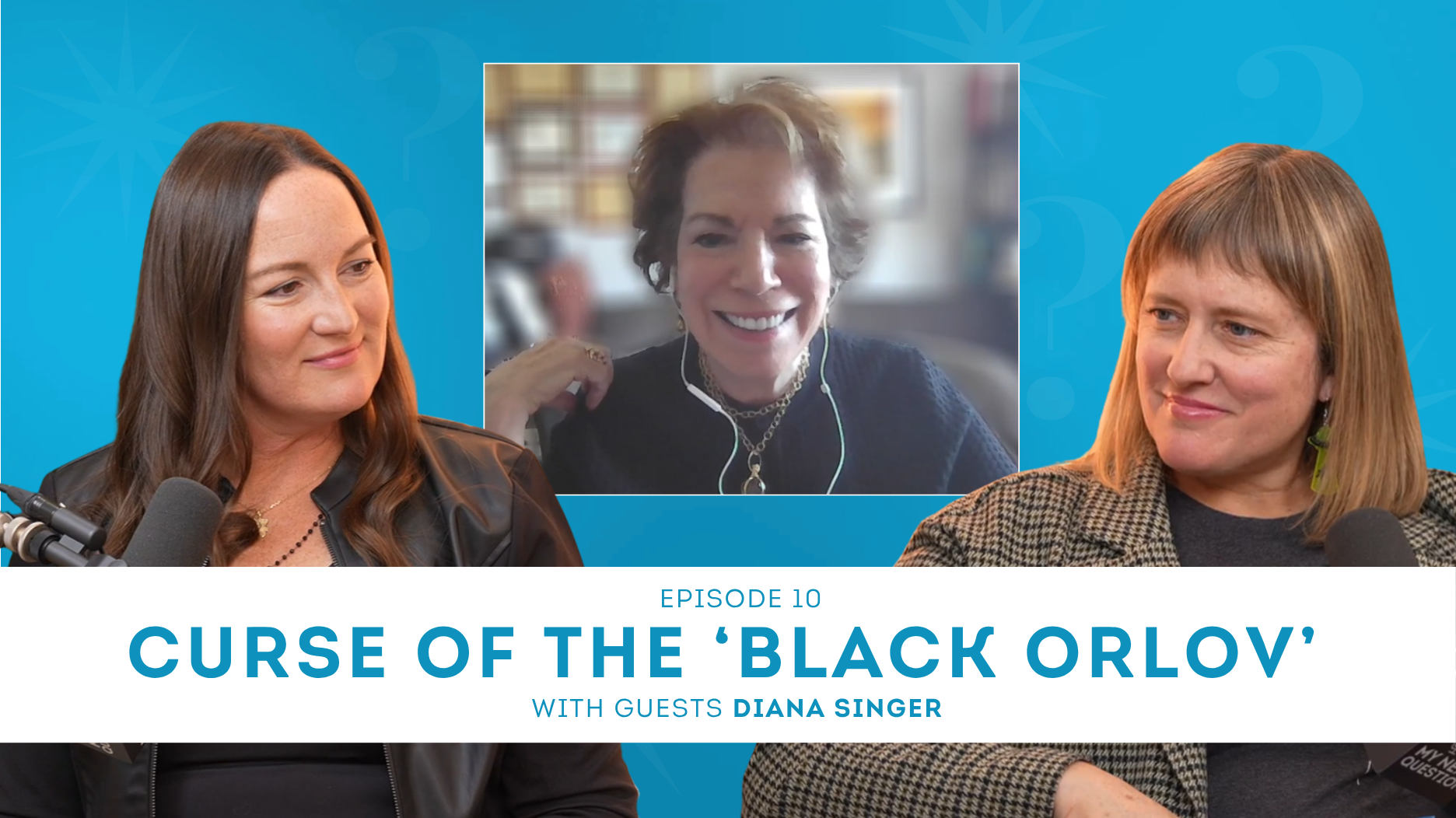
Episode 10: This Episode Is Haunted Diana Singer shared the stories of two “cursed” diamonds on this month’s podcast, which was inexplicably riddled with technical issues.

IndependentsOct 21, 2026
Gardner-Collier Jewelry to Close After 9 Decades in BusinessThe family-owned jeweler has three locations across Missouri and Iowa.

SourcingOct 21, 2026
Venetia Mines Final Carats Ahead of 2-Year ShutdownThe De Beers-owned diamond mine in South Africa is being put on ice as part of a round of previously announced cost-cutting measures.

CollectionsOct 21, 2026
Helzberg, Nordstrom Carrying New Jewelry Collection From Off-WhiteThe collection centers designs with clean geometric lines, chunky sculptural pieces, and recognizable details from the luxury fashion brand.

SourcingOct 21, 2026
Gemfields’ Mixed-Quality Ruby Auction Earns $52MThe miner said it saw particularly strong prices for larger, fine-quality rubies at the sale.

CrimeOct 20, 2026
Security Guard Charged With Murder in Shooting at Texas MallThe guard opened fire on a man who was smashing a jewelry display case at La Gran Plaza in Fort Worth last week, police said.
IndependentsOct 20, 2026
David Gardner’s Jewelers Unveils Newly Expanded, Revamped ShowroomThe Texas jeweler added 2,000 square feet to its reimagined showroom, complete with a new design studio and an event space.

SourcingOct 20, 2026
The $50M Victoria’s Secret ‘Fantasy Bra’ By The NumbersJacob & Co.'s diamond masterpiece is the most expensive Fantasy Bra ever worn on the Victoria’s Secret Fashion Show runway.

CollectionsOct 20, 2026
Mignon Faget’s Collection Chooses Handmade Over AIThe “Atelier” collection was inspired by the tools, rituals, and objects in an artist’s studio as a quiet rebuttal to an automated world.
MajorsOct 19, 2026
The Knot to Acquire Rival Wedding Planning Platform ZolaThe pending acquisition is an “exciting opportunity” for wedding vendors to grow their business, said The Knot Worldwide’s CEO.

SourcingOct 19, 2026
Jewelry Design Competition Show Airs in Thailand"The Secret Gems" features eight Thai jewelry brands paired with a team of young craftspeople who create jewelry together to win challenges.

CollectionsOct 19, 2026
John Hardy Enters the Medallion Chat With Talisman Collection The brand’s “Modern Talisman” capsule collection introduces pendants inspired by the mythology, natural world, and spiritual ethos of Bali.
IndependentsOct 19, 2026
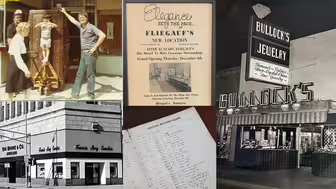
The Stories of 5 Jewelers Celebrating Their Centennials in 2026Independent jewelers from New Mexico to New Jersey answer the question: What has kept your store in business for 100 years?

SurveysOct 16, 2026
How Inflation, Gas Prices Will Affect Holiday Sales The NRF is expecting holiday sales to increase this year, but consumers and retailers alike are facing Grinch-like headwinds.

CollectionsOct 16, 2026
Christina Puchi’s Earrings Hold the UniverseOur Piece of the Week gathers the planets, represented by a variety of colored gemstones, in a pair of 14-karat yellow gold earrings.
IndependentsOct 16, 2026
Reeds Jewelers Expands, Relocates FlagshipThe New York-based jeweler is moving its Amherst flagship store to a larger location in nearby Snyder.

MajorsOct 16, 2026
Katy Chen Appointed Executive Vice President of Graff USA Chen, who worked at Cartier and Tiffany & Co., will lead retail sales and operations for the luxury jeweler’s 11 U.S. stores.