






Policies & IssuesOct 08, 2026
Third Wave of IEEPA Tariff Refunds Begins This round of tariff refunds is for importers that have sued over IEEPA tariffs in the Court of International Trade and won.

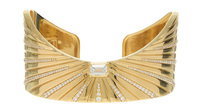




The defendants allegedly produced the pieces in a factory in the Philippines but were passing them off as authentic Native American-made jewels.

Phoenix—Seven people have been indicted for allegedly importing jewelry from the Philippines and selling it as authentic Native American-made pieces.
According to the U.S. Department of Justice, a federal grand jury returned a 38-count indictment on Feb. 26 against suspects based in both the Philippines and United States.
The indictment accuses them of operating a fraudulent scheme to import Native American-style jewelry into the U.S. from the Philippines and sell it to retail stores and individuals across the Southwestern U.S. as authentic jewelry made by Native Americans.
The fraud and money laundering scheme started in January 2016, the Justice Department said, and violated federal laws including the Indian Arts and Crafts Act. The IACA prohibits the display or sale of any goods that falsely suggest they are Native American-produced, a Native American product or the product of a particular Native American and/or Native American tribe.
Richard Dennis Nisbet, 70, and his daughter, Laura Marye Lott, 31, both of Peoria, Arizona, are named in the indictment as the pair who were overseeing the scheme.
The defendants allegedly took several measures to ensure the jewelry resembled authentic Native American-made jewelry, including copying designs from genuine Native American artists, using traditional Native American motifs and symbols, and stamping the jewelry with the initials of Native American artists.
Court documents state the jewelry was imported into the U.S. through FedEx, or smuggled into the country by hand or through the Philippines Postal System to locations in Arizona, with Lott delivering the pieces to retail stores in Arizona, Texas and other states and collecting payment.
The indictment also names Christian Coxon, 45, owner and operator of the Turquoise River Trading Company jewelry store in San Antonio, Texas, which claims to specialize in Native American-made jewelry; and Waleed Sarrar, 43, of Chandler, Arizona, owner and operator of Scottsdale Jewels in Arizona, which also advertises “authentic Indian-made jewelry” for sale.
According to court documents, Coxon and Sarrar conspired with Nisbet and Lott to pass off the imitation jewelry as authentic Native American-made jewelry.
Court documents also allege that none of the jewelry items were indelibly marked with the country of origin, as U.S. customs law requires.
None of the calls placed to the U.S.-based defendants by National Jeweler on Monday were answered or returned.
The indictment also names three international defendants who have been charged in the case: Mency Remedio, a factory manager in the Philippines;

This round of tariff refunds is for importers that have sued over IEEPA tariffs in the Court of International Trade and won.

It revisits the brand’s most requested silhouettes, from "Pillow"-set necklaces and bracelets to "Signature"-set rings and earrings.

The trade-only event includes buying opportunities as well as educational sessions on artisanal mining, the new Paraíba source, and more.

Experience gemstones with greater precision and comfort than ever before.


Ara Chanakian, a jeweler at Pattons, took home top honors in every category at Jewelers of Louisiana’s annual jewelry design competition.


The live charity benefit sale in Nashville will also feature gowns, boots, and other memorabilia from the country music legend.


Sponsored by Overnight Mountings
Submit your pieces for a chance to win in this year's competition.


The supplier organization recently joined JA and JVC to have more input on political issues affecting the jewelry industry.

Blue Nile, a Signet Jewelers-owned brand, is now Royal Asscher’s exclusive licensed retailer in North America.

“Royal Oak” pays homage to the brand’s most popular watch model using 18-karat gold as well as diamonds, emeralds, and sapphires.

As part of the transition, Joseph Nicosia has stepped into the role of COO.

Participants now have until Oct. 14 to complete their submissions.

The alleged thieves used crow bars and sledgehammers to smash into jewelry stores across the state.

Ahead of the holidays, Smith urges jewelers to take a hard look at who’s buying jewelry, what they’re purchasing, and who’s stopped buying.

In the new consumer-facing campaign, four fashion and lifestyle creators share the stories behind their natural diamond pieces.

FGI President John Orrico is also leaving the company after more than 13 years.

The 2026 edition will feature presentations on alternative materials and design trends, as well as pop-up activations on the show floor.

It is the last fully operational diamond mine in Canada following the recent closures of Ekati and Diavik.

These jewels stood out at Bonhams’ sale of the cat-loving tech entrepreneur’s collection of objects depicting the feline form.

The fine jewelry brand has expanded the collection that debuted at Couture with four new designs based on its most popular styles.

The AGTA president was elected for a two-year term on the board of directors.

The partnership, a pledge to protect Africa’s Okavango River Basin, has been extended for an additional five years.

The new facility, its first outside of Thailand, will boost its manufacturing capacity by 50 percent.

The special-edition “Dream” pendant, our Piece of the Week, was created to mark Hearts On Fire’s 30-year milestone with 30 diamonds.

YouGov’s 2026 U.S. Most Recommended Brands report’s out, and a fast-fashion giant is sitting at No. 1 while Rolex is just shy of the top 5.

Proceeds from its jewelry raffle will benefit an organization working in India to combat silicosis, a lung disease affecting stone cutters.



This site uses cookies to give you the best online experience. By continuing to use & browse this site, we assume you agree to our Privacy Policy