







SurveysOct 09, 2026
These Will Be the 10 Busiest Days for In-Store Shopping This Holiday SeasonSurveysOct 16, 2026
How Inflation, Gas Prices Will Affect Holiday Sales
The NRF is expecting holiday sales to increase this year, but consumers and retailers alike are facing Grinch-like headwinds.


The National Retail Federation is forecasting holiday retail sales will grow 4.2 percent year-over-year to $1.013 trillion.
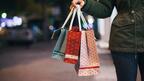
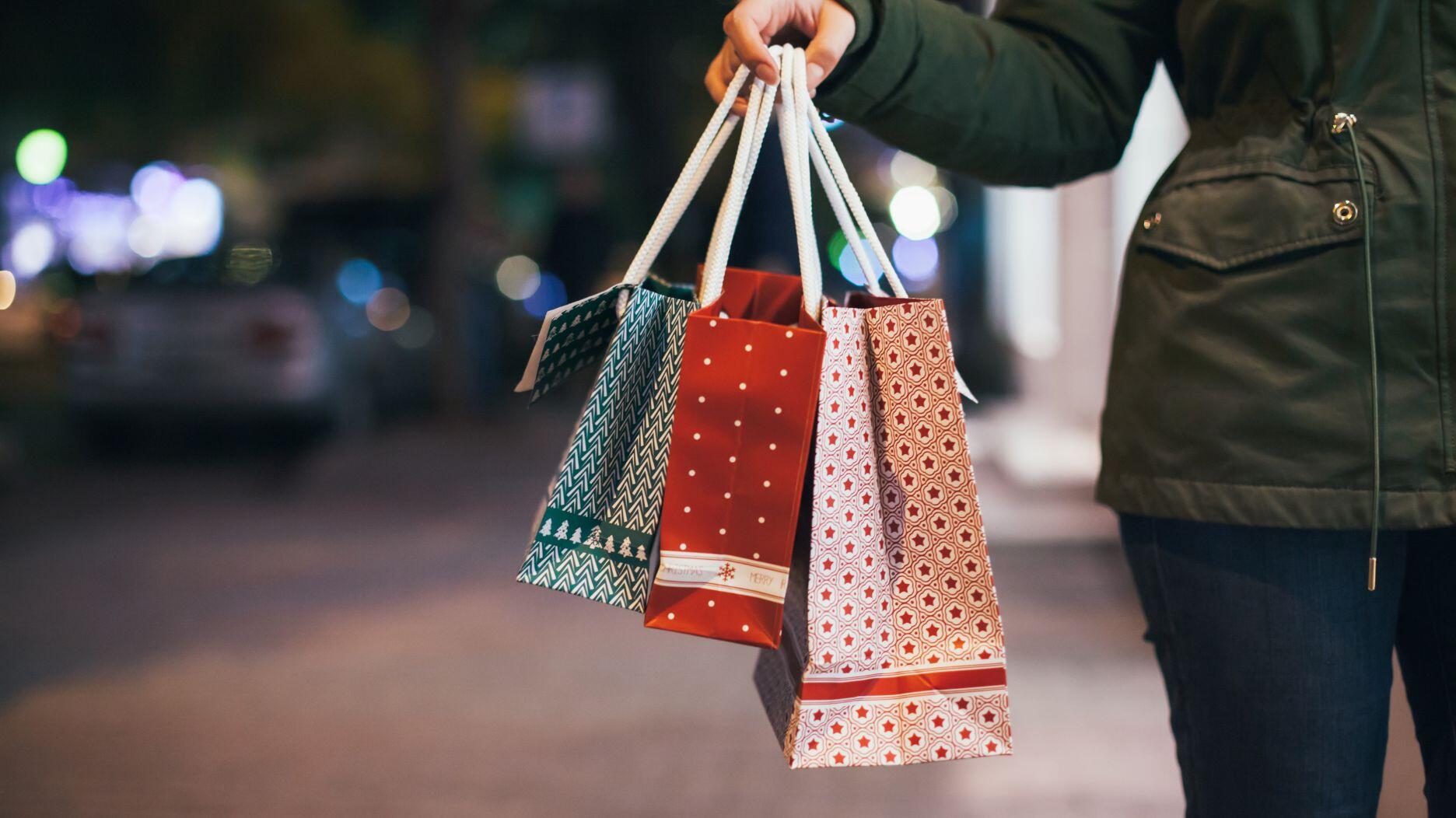
Washington, D.C.—The National Retail Federation is forecasting a happy holiday season, with consumers expected to remain resilient amid high gas prices and rising household expenses.
Its annual holiday forecast, released Thursday, expects holiday retail sales to grow 4.2 percent year-over-year to $1.013 trillion.
Last year, holiday sales were up 3.1 percent to $972 billion.
The NRF defines the holiday season as Nov. 1 through Dec. 31, and its sales calculations include only core retail, excluding money spent on gas, automobiles, and at restaurants. It does not adjust for inflation.
When crafting its forecast, the NRF looks at a variety of economic factors, including disposable income, labor market conditions, the unemployment rate, wages, household wealth, the state of inflation, and the pattern of overall retail sales throughout the year.
The trade organization hosted a media call Thursday morning to discuss its forecast in detail, including the state of the K-shaped economy, the issue of dynamic pricing, seasonal hiring, and what shoppers are looking for this season.
Consumers are the “unsung heroes” this season.
“We continue to be very impressed with the resilience that consumers have demonstrated as they’ve continued to spend and power our economy and we expect that strength to carry into our November to December holiday period,” NRF President and CEO Matthew Shay said.
Shay heralded consumers as the “unsung heroes” of the economy, as they continue to spend and drive economic activity.
He acknowledged the headwinds consumers are facing, including inflation and “uneven confidence” in the economy.
Still, year after year, shoppers have shown that spending on their loved ones throughout the holiday season remains a priority.
Retail spending has been strong all year, in fact, said NRF Chief Economist Mark Mathews.
However, holiday spending is expected to “vary significantly” based on household income levels and wealth, as well as exposure to everyday expenses like gas and other household essentials.
The factors that played into the forecast are inflation, income, the labor market, household wealth, and consumer confidence, Mathews said.
Inflation is The Grinch of the season, with gas prices playing Scrooge.
“There’s no doubt that [inflation] is contributing to our nominal sales growth,” Mathews said.
Core goods inflation, as measured by the Personal Consumption Expenditures price index, is expected to average 2.5 percent in 2026, up from 1.6 percent in 2025.
With holiday sales expected to grow 4.2 percent, that means only about half of the increase will stem from real consumer spending growth, he said.
Higher diesel prices also are increasing shipping costs and the rising price of memory used in electronics and other goods is putting pressure on certain categories, he said.
Related stories will be right here …
Its annual holiday forecast, released Thursday, expects holiday retail sales to grow 4.2 percent year-over-year to $1.013 trillion.
Last year, holiday sales were up 3.1 percent to $972 billion.
The NRF defines the holiday season as Nov. 1 through Dec. 31, and its sales calculations include only core retail, excluding money spent on gas, automobiles, and at restaurants. It does not adjust for inflation.
When crafting its forecast, the NRF looks at a variety of economic factors, including disposable income, labor market conditions, the unemployment rate, wages, household wealth, the state of inflation, and the pattern of overall retail sales throughout the year.
The trade organization hosted a media call Thursday morning to discuss its forecast in detail, including the state of the K-shaped economy, the issue of dynamic pricing, seasonal hiring, and what shoppers are looking for this season.
Consumers are the “unsung heroes” this season.
“We continue to be very impressed with the resilience that consumers have demonstrated as they’ve continued to spend and power our economy and we expect that strength to carry into our November to December holiday period,” NRF President and CEO Matthew Shay said.
Shay heralded consumers as the “unsung heroes” of the economy, as they continue to spend and drive economic activity.
He acknowledged the headwinds consumers are facing, including inflation and “uneven confidence” in the economy.
Still, year after year, shoppers have shown that spending on their loved ones throughout the holiday season remains a priority.
Retail spending has been strong all year, in fact, said NRF Chief Economist Mark Mathews.
However, holiday spending is expected to “vary significantly” based on household income levels and wealth, as well as exposure to everyday expenses like gas and other household essentials.
The factors that played into the forecast are inflation, income, the labor market, household wealth, and consumer confidence, Mathews said.
Inflation is The Grinch of the season, with gas prices playing Scrooge.
“There’s no doubt that [inflation] is contributing to our nominal sales growth,” Mathews said.
Core goods inflation, as measured by the Personal Consumption Expenditures price index, is expected to average 2.5 percent in 2026, up from 1.6 percent in 2025.
With holiday sales expected to grow 4.2 percent, that means only about half of the increase will stem from real consumer spending growth, he said.
Higher diesel prices also are increasing shipping costs and the rising price of memory used in electronics and other goods is putting pressure on certain categories, he said.
Higher freight costs also are expected to be a factor this season.
Retail is a highly competitive industry, noted Mathews, and consumers are increasingly focused on affordability.
“As we saw with tariffs, this is an industry that survives on providing lower prices to consumers and potentially eating some of those costs and we would expect to see some more of that in relation to freight costs,” he said.
Gas prices remain a major concern. While income tax refunds may have offset high gas prices for the first eight months of the year, that money is now gone, Mathews added.
“As we head into the holiday period, if gas prices remain higher, we do expect that this will have a larger impact on households at the lower end of the income spectrum,” he said.
Still, the price of goods is expected to be lower than headline inflation as retailers cater to price-conscious shoppers.
“We expect consumers to remain deliberate and value-conscious in their choices even as they prioritize gifts and celebration,” he said.
As for where people will be shopping—in-store versus online—Mathews said: “Stores remain incredibly relevant but to distinguish between digital transactions and in-store transactions is just harder to do and something we don’t think necessarily makes a lot of sense moving into the future.”
Shay briefly discussed the hot topic of surveillance pricing, which refers to the practice of collecting personal data to charge individual consumers different prices for the same product.
There is also the issue of dynamic pricing, like charging more for a sandwich at peak lunchtime hours while offering a lower price at night.
Walmart, for example, has been accused of these practices, which it denied in a statement earlier this month, saying it “prices products, not people.”
“We do not engage in dynamic pricing, raising prices in response to a hot afternoon or an approaching snowstorm, for example,” the retailer said.
Shay noted that consumers are apprehensive and there are “legislators, policy makers, and outside observers who, I think, very opportunistically are trying to feed on that apprehension by making suggestions about the way in which retailers work.”
Retailers, particularly at a time like this, are trying to deliver value and drive volume, he said.
“You don’t want to take advantage of your customers. That’s definitely not a winning formula.”
The labor market is in a “low hire, low fire” state.
While the labor market is resilient, retailers and other employers are “navigating a low hire, low fire environment,” Mathews said.
NRF is forecasting that retailers will hire between 325,000 and 375,000 seasonal workers, in line with last year’s estimated 356,000 seasonal hires.
Retailers will take a measured approach to seasonal hiring in light of higher gas prices, inflation, higher interest rates, and elevated consumer debt, he said.
“We expect them to add workers where demand requires it, while avoiding much larger temporary hiring increases we’ve seen in the more distant past.”
The wealth effect could bolster retail despite the K-shaped economy.
The K-shaped economy experts have been talking about all year will continue into the holiday season.
“The divide in consumer spending is becoming more pronounced,” Mathews said.
The K-shape does look a bit different from last year, when most lower-income households were in the negative, said Mathews. This year, most groups are in the positive, which could account for the strength in retail spending.
Still, higher-income households are driving spending. In some categories, the top 10 percent account for as much as 70 percent of total sales.
Rising gas prices are weighing more heavily on moderate income households, while growing financial wealth is supporting spending for higher-income households.
The wealth effect is an economic theory that says people spend more when the market value of their assets, like stocks, rise.
While the wealth effect is the strongest in areas outside of retail, like travel and hospitality, retail categories likely will feel the benefits as well, Mathews said.
Consumer confidence may not be the best indicator of holiday spending.
Consumer confidence has been struggling this year, falling to a 12-year low in September, but that may not spell doom and gloom for the holidays.
“Our research finds that confidence is a pretty poor predictor of actual spending,” Mathews said.
“Real disposable income, labor market health, and household wealth are much more important drivers of our forecast.”
Looking at all those above factors combined, they point to continued holiday sales growth, he said.
The NRF will host a Winter Consumer Outlook call later this month with more insights on the upcoming holiday season.
More on Surveys


The Latest

CollectionsOct 16, 2026
Christina Puchi’s Earrings Hold the UniverseOur Piece of the Week gathers the planets, represented by a variety of colored gemstones, in a pair of 14-karat yellow gold earrings.

IndependentsOct 16, 2026
Reeds Jewelers Expands, Relocates FlagshipThe New York-based jeweler is moving its Amherst flagship store to a larger location in nearby Snyder.


MajorsOct 16, 2026
Katy Chen Appointed Executive Vice President of Graff USA Chen, who worked at Cartier and Tiffany & Co., will lead retail sales and operations for the luxury jeweler’s 11 U.S. stores.


Brought to you by
Meet Gemology’s Next Generation Microscope: GIA® Gemolite® NXT Professional EditionExperience gemstones with greater precision and comfort than ever before.


IndependentsOct 15, 2026
Retailer Hall of Fame 2026: Amy and Elise Greenberg For 40 years, sisters Amy and Elise Greenberg have helmed their 126-year-old family business, leading with appreciation and integrity.
Weekly QuizOct 15, 2026
This Week’s QuizTest your jewelry news knowledge by answering these questions.


ColumnistsOct 15, 2026
Peter Smith: What Is the Culture REP?It’s a term Smith coined and felt compelled to share following a bad experience with an aborted flight and an unfeeling flight attendant.


WatchesOct 15, 2026
Stephanie Gottlieb’s New Movado Watches Are Made for Your Wrist StackMovado teamed up with the New York-based fine jewelry designer on a new collection of Movado Museum Velura watches.

Brought to you by
Your Piece Could Be the One Editors Talk AboutSubmit your pieces for a chance to win in this year's competition.


SourcingOct 15, 2026
Signet Jewelers, Richemont May Join Bidder for De Beers, Report SaysThe two companies are reportedly in talks to join the Global Diamond Consortium, led by former De Beers CEO Gareth Penny, as per Bloomberg.
CollectionsOct 15, 2026
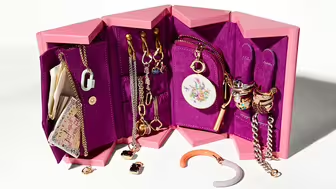
Wolf x Marla Aaron's New Jewelry Box Is for Some (Not All) of Your ThingsThe “Some of the Things” box follows the two larger “Everything” box designs with the look and function of antique sewing and toolboxes.

IndependentsOct 14, 2026
Retailer Hall of Fame 2026: Coleman and Mitchell ClarkFourth-generation jewelers Coleman and Mitchell Clark exemplify the best qualities of their predecessors: humility, modesty, and confidence.

SourcingOct 14, 2026
Manuel Marcial de Gomar, ‘The Emerald Whisperer,’ Dies at 90The gem hunter, whose 70-year career was defined by adventure and exploration, is remembered for his steadfast faith and sense of wonder.

FinancialsOct 14, 2026
LVMH’s Jewelry Brands Turn in ‘Very Good’ Performance in Q3 Tiffany & Co. continued its full-scale store renovation project while Bulgari’s high jewelry collection generated “record-breaking revenue.”

Events & AwardsOct 14, 2026
Chicago Responsible Jewelry Conference Releases 2026 ProgramThis year’s sessions feature leading voices from human rights, legal, and conservation organizations.

MajorsOct 13, 2026
David Webb Owner Purchases Lugano JewelryThe high-end jewelry retailer was sold to private investment firm Middle West Partners and a group of longtime clients.

Lab-GrownOct 13, 2026
Stephanie Gottlieb Takes Lab-Grown Diamond Collection WholesaleThe jewelry designer has partnered with Sofer Jewelry to distribute her 85-piece lab-grown diamond collection.

IndependentsOct 13, 2026
Retailer Hall of Fame 2026: Sean DunnDunn, this year’s Single-Store Independent inductee, is passionate about innovation and telling the story of natural diamonds.

AuctionsOct 13, 2026
Christie's Geneva To Auction 'Bulgari Pink' DiamondThe 24-carat fancy intense pink diamond ring could fetch up to $18 million at the November sale.

IndependentsOct 13, 2026
Greenwich St. Jewelers’ New Candle Smells Like HomeThe “Island Jewel” candle honors New York City and Puerto Rico and raises money for the island’s water relief efforts.
TechnologyOct 13, 2026
GemFind Is a New JA Member Benefit Partner The partnership will give JA members access to preferred pricing, exclusive benefits, technology solutions, education, and resources.

CollectionsOct 09, 2026
Elisa Solomon Collabs With Serendipity 3 on ‘Frozen Hot Chocolate’ CharmThe charm, our Piece of the Week, features brown diamond frozen hot chocolate topped with white diamond whipped cream and a ruby straw.

AuctionsOct 09, 2026
8-Carat Blue Diamond Goes Unsold at UK Jewelry Auction The top lot of Elmwood’s recent fine jewelry sale in London was a 1.84-carat, D color Tiffany & Co. solitaire diamond ring.

WatchesOct 09, 2026
Movado to Sell Majority Stake in Ebel for $66.5MThe watch company agreed to sell a 95 percent interest to a group comprised of F.P. Journe, Chanel, and Swiss watch exec Pierre Jacques.

Policies & IssuesOct 08, 2026
Third Wave of IEEPA Tariff Refunds Begins This round of tariff refunds is for importers that have sued over IEEPA tariffs in the Court of International Trade and won.

CollectionsOct 08, 2026
Brent Neale’s New Collection Goes ‘Back to Basics’It revisits the brand’s most requested silhouettes, from "Pillow"-set necklaces and bracelets to "Signature"-set rings and earrings.

SourcingOct 08, 2026
Ethical Gem Fair Heads Back to BrooklynThe trade-only event includes buying opportunities as well as educational sessions on artisanal mining, the new Paraíba source, and more.

Events & AwardsOct 08, 2026
Pattons Fine Jewelry Sweeps Local Design ContestAra Chanakian, a jeweler at Pattons, took home top honors in every category at Jewelers of Louisiana’s annual jewelry design competition.