







SurveysOct 16, 2026
How Inflation, Gas Prices Will Affect Holiday Sales SurveysOct 28, 2026
Consumer Confidence Up in October as Gas Prices Ease
Consumer confidence remains on the long-term downward trend that’s persisted over the past few years, said a Conference Board economist.


U.S. consumer confidence was on the rise in October, due in part to easing gas prices.
New York—U.S. consumer confidence was on the rise in October after falling to a 12-year low last month, bolstered in part by easing gas prices.
The Conference Board’s monthly Consumer Confidence Index rose to 91.7 in October, up from an upwardly revised 84.2 in September.
“Consumer confidence advanced in October, driven primarily by improved perceptions of current and expected business conditions,” said Fergus McCormick, senior economist, global indicators, at The Conference Board.
“The recovery was in line with retail gasoline prices easing from September to October. Yet, despite the increase in October, consumer confidence remained on the long-term downward trend that’s persisted over the past few years.”
The Conference Board’s Present Situation Index, which measures consumers’ current view of business and labor market conditions, rose to 120.4 from an upwardly revised 111.8 in September.
Net views of current business and employment conditions were both more positive.
Respondents also took a more positive view of future conditions.
The Expectations Index, which measures consumers’ outlook on income, business, and labor market conditions in the near future, rose to 72.6 from an upwardly revised 65.7 in September.
This follows three consecutive months of decline. All three components of the Expectations Index saw improvement.
However, it also marked the 21st consecutive month that expectations remained below the threshold of 80, a level which typically signals a recession is ahead, according to The Conference Board.
“Among write-in responses in October, consumers continued to express frustration with rising costs," said McCormick, with references to prices, the high cost of food and groceries, and oil and diesel prices on the rise.
“Comments about war and conflict eased for a second straight month but remained elevated. Mentions of jobs and employment as an area of concern also ticked up, though to a lesser extent,” he said.
Related stories will be right here …
By demographics, only younger and wealthier consumers, those under age 35 and those with a household income of $100,000 or more, saw a boost in confidence.
By generation, confidence amongst Gen X, Baby Boomers, and the Silent Generation fell well behind Gen Z and Millennials, which The Conference Board said widens “a sharp generational divide that has emerged over the past two years.”
By political affiliation, confidence improved for all groups, with Republicans in the lead.
Consumers’ view of their Family’s Current Financial Situation improved in October after two weak months, while their future view of the next six months stayed optimistic.
When asked if they believe there will be a U.S. recession over the next 12 months, the most popular answer remains “somewhat likely.”
These measures are not included in calculating the Consumer Confidence Index.
Consumers’ average 12-month inflation expectations declined in October but remained elevated. Consumers still expect higher interest rates over the next 12 months.
More consumers said they expected stock prices to increase rather than decrease in the next 12 months.
“Consumers planned less spending on services and durable goods over the next six months,” said McCormick.
“This likely reflected higher price levels and persistent inflation, which eroded consumers’ purchasing power.”
On a six-month moving average basis, plans to purchase autos and homes declined slightly in October.
The top five spending plans included restaurants, bars, and take-out; streaming, internet, and mobile services; utilities; health care; and beauty and personal care.
As for travel, expected spending on hotels and airfare for personal travel moderated.
Fewer people are making vacation plans, with 43 percent of consumers planning a vacation in the next six months, down from an upwardly revised 44 percent in September.
More respondents are planning domestic trips, with fewer headed to foreign countries.
The Consumer Confidence survey results for November are scheduled to be released on Nov. 24.


More on Surveys

The Latest

GradingNov 24, 2026
DMIA Opens Diamond Verification Center in NYCThe center offers access to verification instruments from De Beers and GIA, and is free to the diamond trade through Dec. 31.


TrendsNov 24, 2026
Miley Cyrus Chooses Chopard for Her Wedding JewelsThe star wore a pair of diamond earrings and a ring by Chopard for her wedding with drummer Maxx Morando.


CrimeNov 24, 2026
Police Nab Alleged Jewelry Thief Hiding in BushesThe masked suspect reportedly stole $24,000 worth of jewelry from a store in Laguna Beach, California.

Brought to you by
12 Ways Independent Jewelers Can Drive More Sales and Stronger Profits in 2027These twelve tips can help retailers improve margins, convert shoppers, and make every dollar work harder.


CrimeNov 24, 2026
Security Measures Jewelers Need to Take This Holiday SeasonJSA’s Scott Guginsky said jewelers should train seasonal help on security and reduce the risks customers face when they leave the store.

Weekly QuizNov 24, 2026
This Week’s QuizTest your jewelry news knowledge by answering these questions.

MajorsNov 23, 2026
Bulgari Chairman Paolo Bulgari Dies at 89Paolo Bulgari, grandson of brand founder Sotirio Bulgari and chairman of Bulgari Group, is remembered as a “true creative soul.”

IndependentsNov 23, 2026
Sissy’s Log Cabin Opens New Flagship as Holidays ApproachPeek inside the new Little Rock, Arkansas, showroom, the jeweler’s largest store to date.

Brought to you by
More Information. More Confidence. One GIA Jewelry Report.The GIA Jewelry Report helps retailers answer customer questions with independent, science-based information from GIA—all in one report.


Lab-GrownNov 23, 2026
Kira Jewels Triples Lab-Grown Diamond Production The company has increased the number of CVD reactors to 10,000, allowing its monthly production to reach 750,000 polished carats.

GradingNov 23, 2026
GIA Names Former Swarovski Exec as Board ChairStephen F. Kahler was appointed to chair of the board while Robert Andrew Johnson is GIA’s new vice chair.

SourcingNov 20, 2026
Company That Mined Angola’s Largest Diamond Has a New OwnerDubai-based AV Group has acquired Lucapa Diamond Company, which holds a stake in Angola’s Lulo mine and has a diamond project in Australia.

TrendsNov 20, 2026
Anabela Chan’s ‘Canary Atlantis’ Earrings Enter The Hunger Games ArenaActress Mckenna Grace wore our Piece of the Week to the London premiere of “The Hunger Games: Sunrise on the Reaping.”

Events & AwardsNov 20, 2026
Registration Open for JIS Spring 2027 Registration for the trade show, taking place March 7-9, is now open.


Supplier BulletinNov 19, 2026
Every Color, Every Cut: AGTA GemFair Tucson Returns Jan. 31 to Feb. 4, 2027Sponsored by American Gem Trade Association (AGTA)

SourcingNov 19, 2026
176-Carat Diamond, Second Largest Found in Namibia, Comes to US The “Owishi” made its U.S. debut in Washington, D.C. on Monday and now will return to Namibia for planning, cutting, and polishing.

CrimeNov 19, 2026
Customs Seizes Fake Kansas City Chiefs Super Bowl RingsCBP agents in Houston have seen “significant seizures” of counterfeit watches, baby toys, and FIFA World Cup merchandise, the agency said.

AuctionsNov 19, 2026
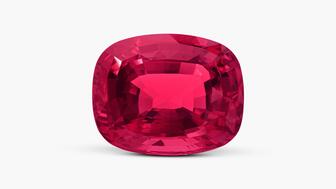
52-Carat Red Spinel Sells for $2M to Moussaieff The London high jewelry house, which bought the gemstone at Sotheby’s Geneva jewelry auction, has renamed it the “Moussaieff Spinel.”

Events & AwardsNov 19, 2026
Rio Grande Sponsors New High School Award at NYC Jewelry WeekThe Here We Are High School award will gift a Future Jewelers Academy student with $750 and a Rio Grande tool kit with bench essentials.


PodcastsNov 18, 2026
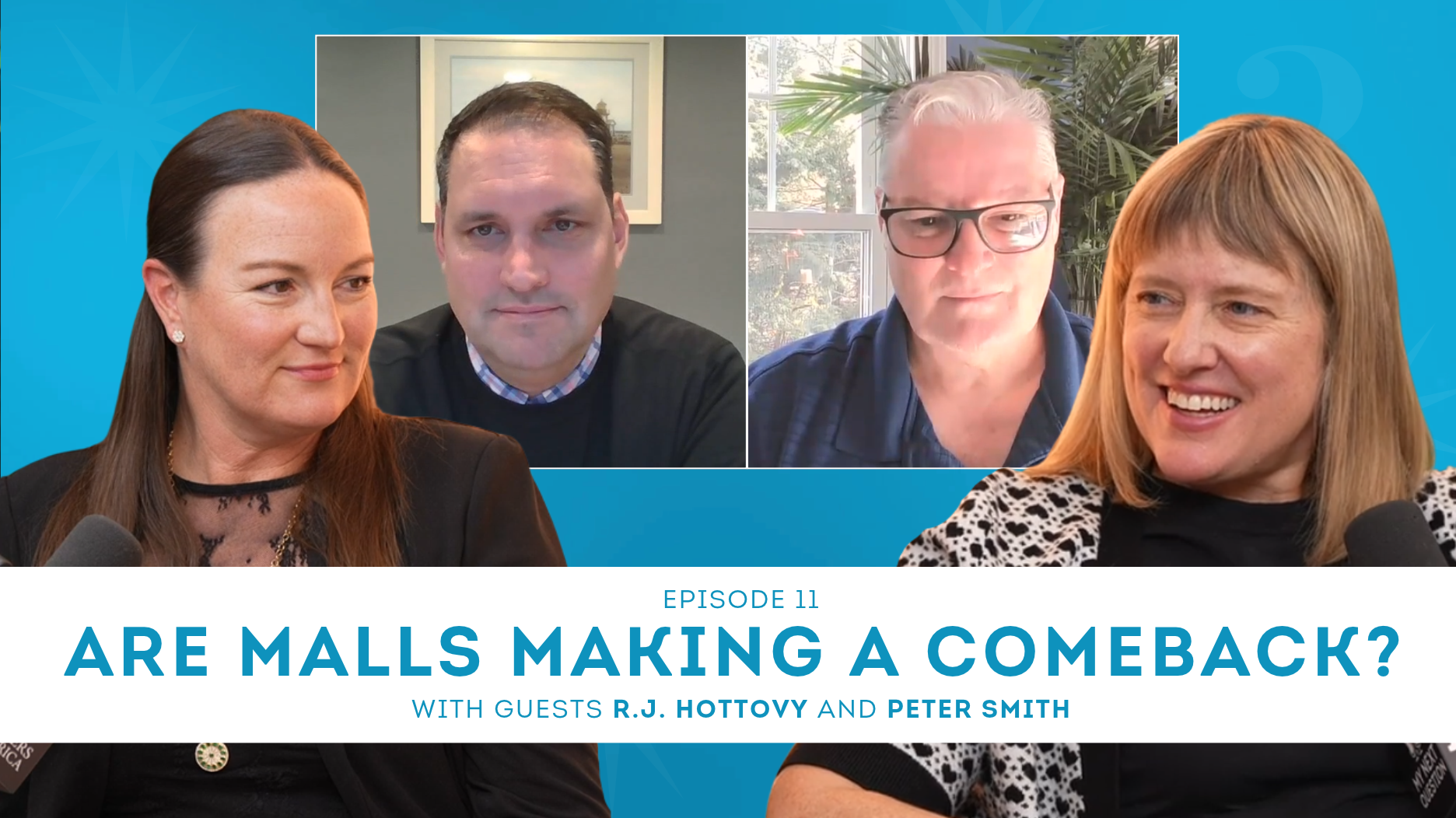
Episode 11: Are Malls Making a Comeback?Peter Smith and R.J. Hottovy of Placer.ai guest on this special pre-holiday episode of the podcast to discuss the status of shopping malls.


IndependentsNov 18, 2026
Michaels Jewelers to Close Mall Location After 15 YearsThe jeweler is closing its store in the Trumbull Mall in Connecticut, citing a decline in foot traffic.

WatchesNov 18, 2026
Paul Altieri Pens Book on Personal Rolex Watch CollectionIn “Not For Sale,” the CEO and founder of Bob’s Watches showcases his collection of 134 rare vintage Rolexes and the stories behind them.

CollectionsNov 18, 2026
Stephen Webster Debuts a Bracelet Made for 007The "Shaken & Stirred" clasp is one of seven designs in a new collection celebrating notorious male figures from the 20th century.

MajorsNov 18, 2026
Signet Jewelers Appoints Five Below CEO to Its BoardWinnie Park was also previously the CEO of Forever 21 and Paper Source.

CollectionsNov 17, 2026
Larkspur & Hawk Partners With Blanca Miró on New CollectionThe collaborative collection features rivière necklaces, layered bracelets, drop earrings, and stackable rings in four vivid colors.

CrimeNov 17, 2026
1 Man Arrested, Another Sought in Murder of Ohio JewelerTara Sinchuri was shot to death inside his store, Everest Jewels in Fairfield, Ohio, during a robbery last month.

IndependentsNov 17, 2026
A Few Snaps From Steve Quick Jeweler’s 40th Anniversary Celebration The Chicago jeweler celebrated its ruby anniversary in style.

ColumnistsNov 17, 2026
Peter Smith: Hunting for Salespeople Smith recounts notable interactions from his three-day shopping mission to recruit salespeople for a client.


