





Policies & IssuesOct 06, 2026
6 Charged in Connection to String of New Jersey Smash-and-GrabsThe alleged thieves used crow bars and sledgehammers to smash into jewelry stores across the state.




Presidium Instruments is showcasing what it claims is the world’s first device to detect flame fusion-created rubies at the American Gem Trade Association GemFair this week.


Tucson, Ariz.--Presidium Instruments is showcasing what it claims is the world’s first device to detect flame fusion-created rubies at the American Gem Trade Association GemFair this week.
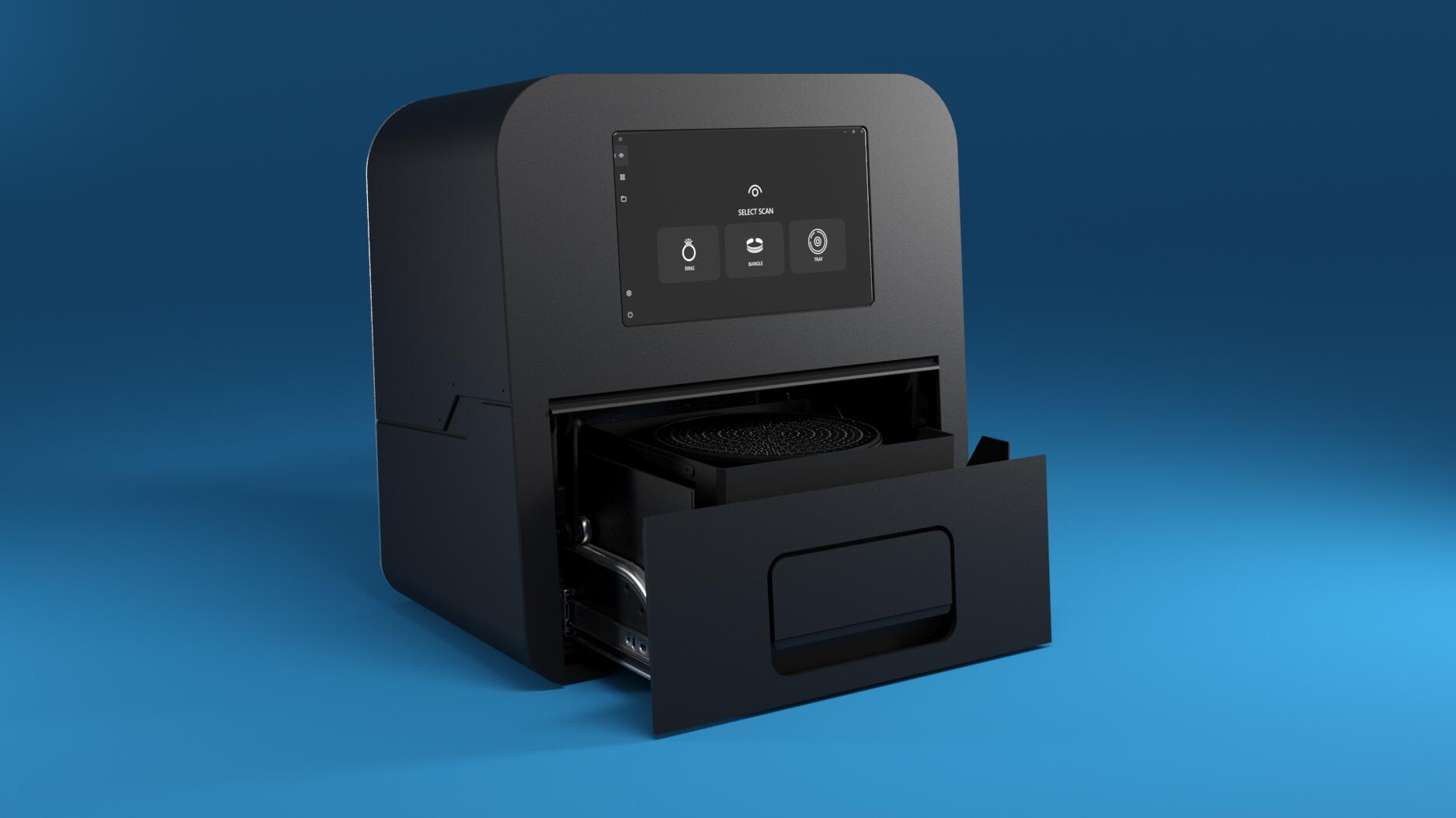
The Synthetic Ruby Identifier measures the ability of ultraviolet light to pass through the stone, based on the knowledge that gemstones have a very significant difference in light admittance if they are natural versus synthetic.
The device features a UV light that passes through the ruby and toward a light detector on the base. Light bars on the front of the lid light up to provide an easy reading that indicates if the UV light transmittance ability of the ruby is high or low.
Natural rubies have low UV transmittance because of trace elements that absorb the deep UV light, allowing for little to pass through.
Other types of synthetic rubies that weren’t created by flame fusion could have either high or low transmittance ability, depending on the transition metal ions inside that may have been introduced during the growth process. As they are rare, Presidium was not able to get enough samples for testing, and the device cannot accurately detect those.
However, it can accurately detect a flame fusion-created ruby, according to the company, which is the most common type of synthetic ruby. These typically have few transition metal ions and therefore allow more UV light to pass through.
The identifier is designed to work on both single-mounted stones as well as loose rubies and allows for a very quick screening process.
The device is lightweight and portable, and is powered by battery or through its USB port connected to an external power source.
The USB also allows the identifier to be connected to a computer, where the data can be saved on OMI, computer software developed by Presidium to store, analyze and manage all the test data.
A company spokesperson told National Jeweler that the software is currently in beta test mode but will be released by the time those in the United States would receive their identifiers in the spring, and therefore will be available to use in tandem with the machine.
To create the identifier, Singapore-based Presidium partnered with the Gem & Jewelry Institute of Thailand, which provided them with the many ruby samples used to develop it. The device is the company’s first to help identify synthetics.
It retails for $2,199, and is available

The alleged thieves used crow bars and sledgehammers to smash into jewelry stores across the state.

Ahead of the holidays, Smith urges jewelers to take a hard look at who’s buying jewelry, what they’re purchasing, and who’s stopped buying.

In the new consumer-facing campaign, four fashion and lifestyle creators share the stories behind their natural diamond pieces.

Experience gemstones with greater precision and comfort than ever before.


FGI President John Orrico is also leaving the company after more than 13 years.

The 2026 edition will feature presentations on alternative materials and design trends, as well as pop-up activations on the show floor.

It is the last fully operational diamond mine in Canada following the recent closures of Ekati and Diavik.
Submit your pieces for a chance to win in this year's competition.


These jewels stood out at Bonhams’ sale of the cat-loving tech entrepreneur’s collection of objects depicting the feline form.

The fine jewelry brand has expanded the collection that debuted at Couture with four new designs based on its most popular styles.

The AGTA president was elected for a two-year term on the board of directors.

The partnership, a pledge to protect Africa’s Okavango River Basin, has been extended for an additional five years.

The new facility, its first outside of Thailand, will boost its manufacturing capacity by 50 percent.

The special-edition “Dream” pendant, our Piece of the Week, was created to mark Hearts On Fire’s 30-year milestone with 30 diamonds.

Dubai Jewelers in Springfield, Virginia, was once again the target of an armed robbery.

YouGov’s 2026 U.S. Most Recommended Brands report’s out, and a fast-fashion giant is sitting at No. 1 while Rolex is just shy of the top 5.

Proceeds from its jewelry raffle will benefit an organization working in India to combat silicosis, a lung disease affecting stone cutters.

The rings, crafted by Jason of Beverly Hills, celebrate the hockey team’s Stanley Cup win with design elements that honor its traditions.

This roundup of birthstone jewelry for October features vibrant tourmalines and opals with personality.

President Duma Boko spoke at back-to-back events in the city last week, touting Botswana’s stability and the diamond “bounceback.”

The catalog showcases 112 new, one-of-a-kind pieces amid highlights from the jeweler’s historic archive.

Its Montepuez Ruby Mining operation in Mozambique, which is not yielding enough high-quality rubies, has taken a $125 million hit.

Those surveyed were worried about the present and the future, with write-in responses mentioning high oil and gas prices.

The event will take place on the evening of Oct. 26 in New York City.

She is remembered for her joie de vivre, upbeat personality, genuine interest in other people, and love of the Alabama Crimson Tide.

Online bidding is open now for Julien’s sale of items owned by the “Walk On By” singer, whose final album comes out this fall.

The founder and executive chairman of Stuller Inc. is being honored for his impact on the jewelry industry at the 25th annual Gem Awards.



This site uses cookies to give you the best online experience. By continuing to use & browse this site, we assume you agree to our Privacy Policy