







ColumnistsJan 13, 2026
2025 Was a ‘Price Up, Units Down’ Year, Here’s What That Signals for 2026 ColumnistsJan 20, 2026
First-Party Data Is the Most Valuable Asset Jewelers Have in 2026
Data built on trust, not tracking, will be key to success going forward, as the era of “borrowed attention” ends, Emmanuel Raheb writes.


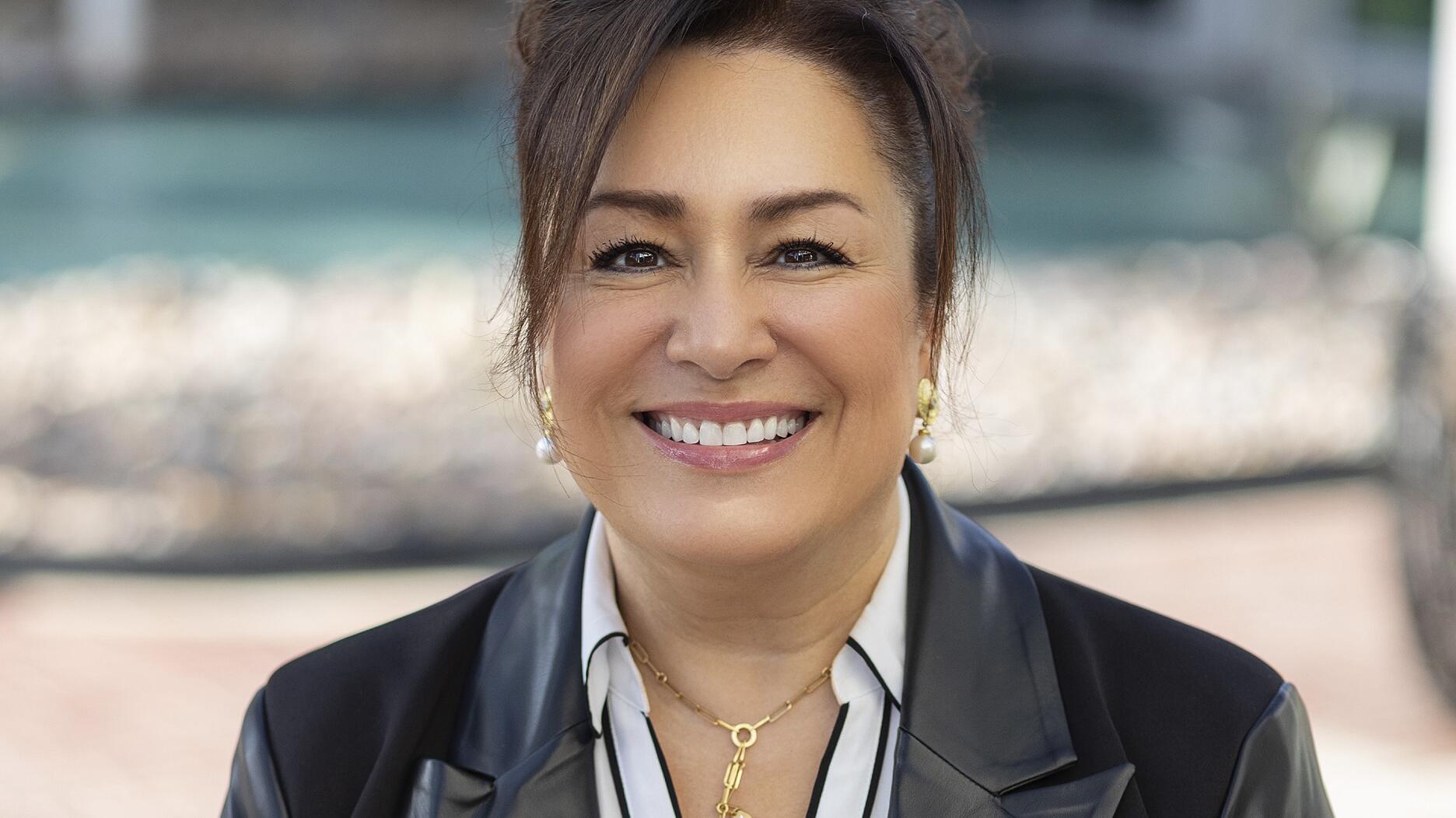
Emmanuel Raheb is the CEO of Smart Age Solutions, a digital ad agency and coveted Premier Google Partner. Contact him at eraheb@smartagesolutions.com.
For years, jewelers have relied on borrowed attention. Social platforms, third-party cookies, and algorithms that decided who saw what and when.
For a long time, it worked well enough but that era is over.
As we roar into 2026, first-party data isn’t a “nice to have” for jewelry retailers. It’s the foundation for your future growth.
The brands that understand this shift now will have a massive advantage over those still chasing reach instead of relationships.
First-party data is simple—it’s the information your customers willingly give you. This includes email addresses, purchase history, browsing behavior, anniversary dates, and style preferences.
It’s data built on trust, not tracking. And as privacy rules tighten and ad costs continue to climb, it’s the only data you truly own.
The problem is many jewelers collect data but they don’t use it.
Think about how much insight you already have sitting in your POS, email platform, and website analytics.
You know who bought an engagement ring in the last three years. You know who consistently shops for birthdays. You know which customers only respond to promotions and which ones buy at the last minute.
That information is gold but only if you act on it.
Related stories will be right here …
For a long time, it worked well enough but that era is over.
As we roar into 2026, first-party data isn’t a “nice to have” for jewelry retailers. It’s the foundation for your future growth.
The brands that understand this shift now will have a massive advantage over those still chasing reach instead of relationships.
First-party data is simple—it’s the information your customers willingly give you. This includes email addresses, purchase history, browsing behavior, anniversary dates, and style preferences.
It’s data built on trust, not tracking. And as privacy rules tighten and ad costs continue to climb, it’s the only data you truly own.
The problem is many jewelers collect data but they don’t use it.
Think about how much insight you already have sitting in your POS, email platform, and website analytics.
You know who bought an engagement ring in the last three years. You know who consistently shops for birthdays. You know which customers only respond to promotions and which ones buy at the last minute.
That information is gold but only if you act on it.
In 2026, smart jewelers will stop sending the same message to everyone and start marketing with intention. Instead of blasting a generic campaign, they’ll segment by behavior.
Anniversary buyers will see messaging about their own personal milestones or upgrading their ring.
Self-purchasers will see messaging around “treat yourself” moments.
High-value customers will get early access to new collections, private previews, and white-glove communication personalized just for them.
This is where first-party data becomes revenue.
Your website plays a bigger role here than most jewelers realize. Every click tells a story—which pages people linger on, which collections they revisit, and where they drop off.
Use that data to refine the styles you feature, how you merchandise, and what you promote.
If certain jewelry categories consistently outperform others online, they should be front and center in your email and paid campaigns too.
Email, in particular, becomes far more powerful when fueled by first-party data.
Not more emails, better ones, meaning messages that feel personal, timely, and relevant.
When customers feel understood, they buy more often and they stay loyal to your store longer.
PULL QUOTE: “The goal in 2026 isn’t more traffic; it’s better customer relationships.”
—Emmanuel Raheb
Let’s also talk about how you gain new customers.
As paid media becomes more expensive, jewelers who rely solely on ads will feel the squeeze.
But brands with strong first-party databases can remarket more efficiently, build lookalike audiences, and reduce dependence on constant spending just to stay visible.
The goal in 2026 isn’t more traffic; it’s better customer relationships.
Every form filled out, appointment request made, wish list saved, and jewelry style purchased should be treated as the beginning of a conversation, not the end of a transaction.
When customers trust you with their data, they’re inviting you into their lives. Your job is to respect that and use it to serve them better.
Jewelers who invest in first-party data now won’t just survive the next wave of digital change, they’ll lead it.
In 2026, the jewelry brands that win won’t be the loudest. They’ll be the ones who know their customers best.
Editors' Picks
Sponsored by


More on Columnists



The Latest

MajorsOct 13, 2026
David Webb Owner Purchases Lugano JewelryThe high-end jewelry retailer was sold to private investment firm Middle West Partners and a group of longtime clients.


Lab-GrownOct 13, 2026
Stephanie Gottlieb Takes Lab-Grown Diamond Collection WholesaleThe jewelry designer has partnered with Sofer Jewelry to distribute her 85-piece lab-grown diamond collection.


IndependentsOct 13, 2026
Retailer Hall of Fame 2026: Sean DunnDunn, this year’s Single-Store Independent inductee, is passionate about innovation and telling the story of natural diamonds.

Brought to you by
Meet Gemology’s Next Generation Microscope: GIA® Gemolite® NXT Professional EditionExperience gemstones with greater precision and comfort than ever before.


AuctionsOct 13, 2026
Christie's Geneva To Auction 'Bulgari Pink' DiamondThe 24-carat fancy intense pink diamond ring could fetch up to $18 million at the November sale.

Weekly QuizOct 08, 2026
This Week’s QuizTest your jewelry news knowledge by answering these questions.


IndependentsOct 13, 2026
Greenwich St. Jewelers’ New Candle Smells Like HomeThe “Island Jewel” candle honors New York City and Puerto Rico and raises money for the island’s water relief efforts.
TechnologyOct 13, 2026
GemFind Is a New JA Member Benefit Partner The partnership will give JA members access to preferred pricing, exclusive benefits, technology solutions, education, and resources.

Brought to you by
Your Piece Could Be the One Editors Talk AboutSubmit your pieces for a chance to win in this year's competition.


SurveysOct 09, 2026
These Will Be the 10 Busiest Days for In-Store Shopping This Holiday SeasonStores should expect to see the most customers on Nov. 27, and Christmas week is expected to be hectic too, as Dec. 25 falls on a Friday.

CollectionsOct 09, 2026
Elisa Solomon Collabs With Serendipity 3 on ‘Frozen Hot Chocolate’ CharmThe charm, our Piece of the Week, features brown diamond frozen hot chocolate topped with white diamond whipped cream and a ruby straw.

AuctionsOct 09, 2026
8-Carat Blue Diamond Goes Unsold at UK Jewelry Auction The top lot of Elmwood’s recent fine jewelry sale in London was a 1.84-carat, D color Tiffany & Co. solitaire diamond ring.

WatchesOct 09, 2026
Movado to Sell Majority Stake in Ebel for $66.5MThe watch company agreed to sell a 95 percent interest to a group comprised of F.P. Journe, Chanel, and Swiss watch exec Pierre Jacques.

Policies & IssuesOct 08, 2026
Third Wave of IEEPA Tariff Refunds Begins This round of tariff refunds is for importers that have sued over IEEPA tariffs in the Court of International Trade and won.

CollectionsOct 08, 2026
Brent Neale’s New Collection Goes ‘Back to Basics’It revisits the brand’s most requested silhouettes, from "Pillow"-set necklaces and bracelets to "Signature"-set rings and earrings.

SourcingOct 08, 2026
Ethical Gem Fair Heads Back to BrooklynThe trade-only event includes buying opportunities as well as educational sessions on artisanal mining, the new Paraíba source, and more.

Events & AwardsOct 08, 2026
Pattons Fine Jewelry Sweeps Local Design ContestAra Chanakian, a jeweler at Pattons, took home top honors in every category at Jewelers of Louisiana’s annual jewelry design competition.

AuctionsOct 08, 2026
Reba McEntire’s Jewelry, Watches Head to Julien’s AuctionsThe live charity benefit sale in Nashville will also feature gowns, boots, and other memorabilia from the country music legend.


Supplier BulletinOct 08, 2026
Overnight Mountings’ Bridal Builder Helps Jewelers Turn Custom Design into a Hands-On Selling ExperienceSponsored by Overnight Mountings

Policies & IssuesOct 07, 2026
The Plumb Club Amplifies Its Voice as Geopolitical Pressures MountThe supplier organization recently joined JA and JVC to have more input on political issues affecting the jewelry industry.

CollectionsOct 07, 2026
Blue Nile, Royal Asscher Collection Highlights Natural Diamond BeautyBlue Nile, a Signet Jewelers-owned brand, is now Royal Asscher’s exclusive licensed retailer in North America.

CollectionsOct 07, 2026
4 Standout Pieces in Audemars Piguet’s First High Jewelry Collection “Royal Oak” pays homage to the brand’s most popular watch model using 18-karat gold as well as diamonds, emeralds, and sapphires.

MajorsOct 07, 2026
Empire Safe & Vault Promotes Juan Morales to CEOAs part of the transition, Joseph Nicosia has stepped into the role of COO.

SourcingOct 07, 2026
AGTA Extends Deadline for 2026 Spectrum Awards EntriesParticipants now have until Oct. 14 to complete their submissions.

CrimeOct 06, 2026
6 Charged in Connection to String of New Jersey Smash-and-GrabsThe alleged thieves used crow bars and sledgehammers to smash into jewelry stores across the state.

SourcingOct 06, 2026
DDG Taps Influencers for ‘My Diamond Does Good’ CampaignIn the new consumer-facing campaign, four fashion and lifestyle creators share the stories behind their natural diamond pieces.

MajorsOct 06, 2026
Frederick Goldman Names COO, CMOFGI President John Orrico is also leaving the company after more than 13 years.

Events & AwardsOct 06, 2026
JIS Fall Returns to MiamiThe 2026 edition will feature presentations on alternative materials and design trends, as well as pop-up activations on the show floor.