


SourcingOct 27, 2026
De Beers Celebrates the Holidays With New ‘Desert Diamonds’ CampaignThe “Icons” holiday campaign spotlights four classic diamond jewelry styles reimagined in “Desert Diamond” tones.



Signet CEO Gina Drosos recently indicated the retailer would be open to carrying fashion jewelry set with man-made stones. Will Lightbox be the line for them?


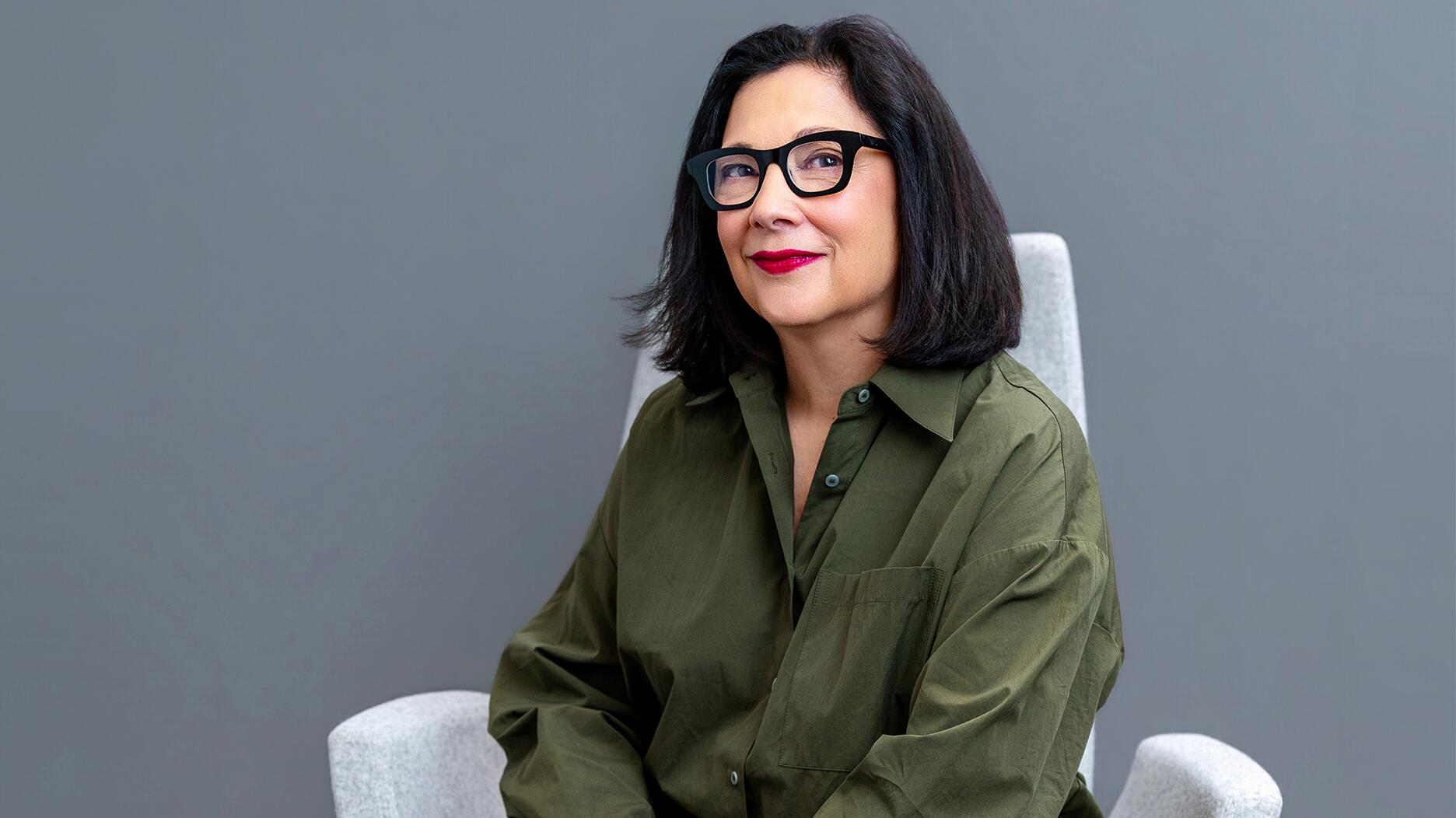
Signet Jewelers CEO Gina Drosos made an intriguing statement toward the end of the company’s second quarter earnings call last month in response to a question from Needham & Co. analyst Rick Patel.
Patel noted that Signet is carrying an increasing number of pieces of jewelry set with lab-grown sapphires and rubies, and he asked if the retailer had plans to expand into man-made diamonds.
Signet, as has been well documented, has chosen not to carry any lab-grown diamond jewelry up until this point, even as more and more jewelry retailers—Helzberg, Reeds, Robbins Brothers, Borsheims and Amazon among them—have gotten on board with the category.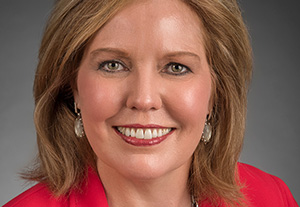
On the August earnings call, however, the retail CEO suggested that Signet might be open to man-made diamonds as long as they are not set in engagement rings.
I paraphrased Drosos’ words in my story reporting on Signet’s second quarter results. Below is her full statement, as included in the official transcript of the call.
“We have a very ‘customer first’ mindset on [lab-grown diamonds]. And we want to focus on delivering the products and experiences that customers want. So we are very closely monitoring and assessing the demand for this emerging category. What our research shows is that customers prefer natural diamonds for those really important purchases, bridal purchase, special birthday, graduations, those kinds of things. But there could be some growing interest in the fashion jewelry space for synthetic diamonds. So we’ll make sure that Signet is well positioned to participate in that space if the growth and the economics of it are attractive and if customers point us in that direction.”Drosos’ comments shook me out of my early-morning earnings call coma and immediately brought to mind another company’s stance on lab-grown diamonds: De Beers.

The “Icons” holiday campaign spotlights four classic diamond jewelry styles reimagined in “Desert Diamond” tones.

Solomon Brothers, which has three stores in the Metro Atlanta area, said it may continue to acquire other independent jewelers.

The fine jewelry brand raised $2.3 million at its annual gala that supports the nonprofit’s fight against blood cancer and blood disorders.
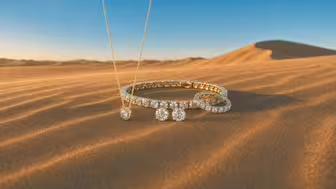
A Diamond Is Forever's holiday campaign reimagines natural diamond icons for a new generation celebrating individuality.


The annual fundraising event is slated for June 6, 2027, at The Venetian Resort in Las Vegas.


In her “Vantage” collection, Lau explores heritage, identity, and inner strength through designs featuring blue-green Guatemalan jade.

The jeweler gave the public backstage tours of its flagship store and its design and innovation workshop as part of LVMH’s open house.
Built on Relationships. Refined by Craft.


Vote for which jewelry professional should dress up as a monster to support Jewelers for Children’s annual Halloween fundraiser.

The closure is part of a global restructuring that also includes PGI winding down its operations in Japan, South Korea, and Hong Kong.

The ring, our Piece of the Week, was designed by eight-year breast cancer survivor Rachel Chalchinsky of Color Source Gems.

The website offers enhanced member benefit access, industry directories, educational resources, a job board, and access to the MJSA Journal.

Boucheron and Pomellato had a strong third quarter, with Kering looking at jewelry as an increasingly important part of its portfolio.

Tara Sinchuri was the owner of Everest Jewels in Fairfield, Ohio, and a father of three. He was found dead in his store on Tuesday.

Bespoke experiences from Buccellati and Verdura are on the retailer’s 2026 “Fantasy Gifts” list.

The number of participants at the fall show was up 12 percent.

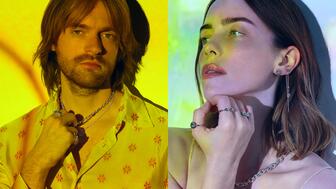
The Academy and Grammy award-winning siblings have collaborated with John Hardy on a new jewelry line inspired by their personal style.
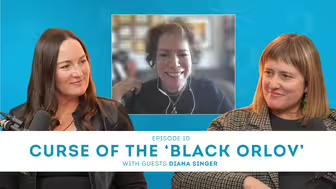

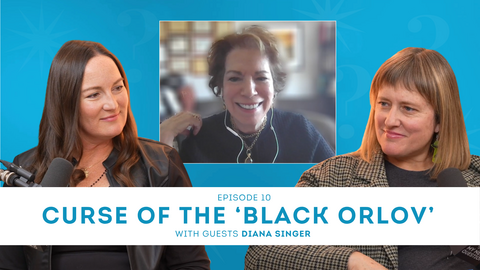
Diana Singer shared the stories of two “cursed” diamonds on this month’s podcast, which was inexplicably riddled with technical issues.

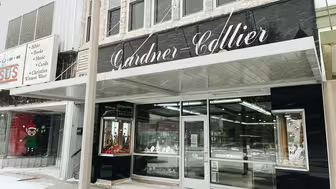
The family-owned jeweler has three locations across Missouri and Iowa.
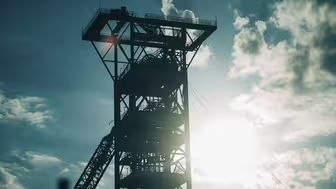
The De Beers-owned diamond mine in South Africa is being put on ice as part of a round of previously announced cost-cutting measures.

The collection centers designs with clean geometric lines, chunky sculptural pieces, and recognizable details from the luxury fashion brand.
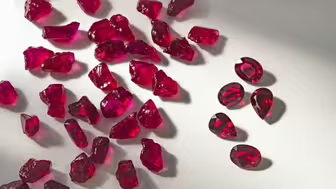
The miner said it saw particularly strong prices for larger, fine-quality rubies at the sale.

The guard opened fire on a man who was smashing a jewelry display case at La Gran Plaza in Fort Worth last week, police said.
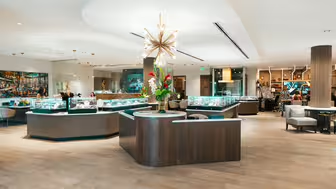
The Texas jeweler added 2,000 square feet to its reimagined showroom, complete with a new design studio and an event space.
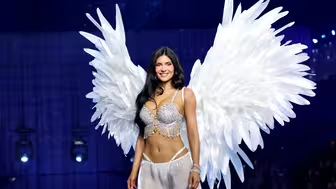
Jacob & Co.'s diamond masterpiece is the most expensive Fantasy Bra ever worn on the Victoria’s Secret Fashion Show runway.

The “Atelier” collection was inspired by the tools, rituals, and objects in an artist’s studio as a quiet rebuttal to an automated world.
The pending acquisition is an “exciting opportunity” for wedding vendors to grow their business, said The Knot Worldwide’s CEO.



This site uses cookies to give you the best online experience. By continuing to use & browse this site, we assume you agree to our Privacy Policy