







CollectionsOct 07, 2026
Blue Nile, Royal Asscher Collection Highlights Natural Diamond BeautyBlue Nile, a Signet Jewelers-owned brand, is now Royal Asscher’s exclusive licensed retailer in North America.






The case solidifies an earlier ruling that internet providers are responsible for blocking sites that sell counterfeit goods.

“(This ruling) is a huge victory for brand owners in the fight against websites selling counterfeit goods and demonstrates the extent of the court’s power to grant an injunction in circumstances where it is just and convenient to do so.” -- Wiggins, the law firm that represented Richemont in the case

Blue Nile, a Signet Jewelers-owned brand, is now Royal Asscher’s exclusive licensed retailer in North America.

“Royal Oak” pays homage to the brand’s most popular watch model using 18-karat gold as well as diamonds, emeralds, and sapphires.

As part of the transition, Joseph Nicosia has stepped into the role of COO.

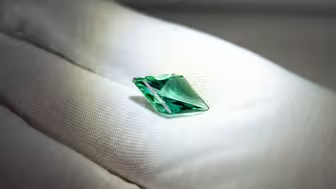
Experience gemstones with greater precision and comfort than ever before.


Participants now have until Oct. 14 to complete their submissions.


Ahead of the holidays, Smith urges jewelers to take a hard look at who’s buying jewelry, what they’re purchasing, and who’s stopped buying.

In the new consumer-facing campaign, four fashion and lifestyle creators share the stories behind their natural diamond pieces.
Submit your pieces for a chance to win in this year's competition.


FGI President John Orrico is also leaving the company after more than 13 years.

The 2026 edition will feature presentations on alternative materials and design trends, as well as pop-up activations on the show floor.

It is the last fully operational diamond mine in Canada following the recent closures of Ekati and Diavik.

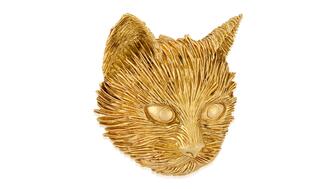
These jewels stood out at Bonhams’ sale of the cat-loving tech entrepreneur’s collection of objects depicting the feline form.

The fine jewelry brand has expanded the collection that debuted at Couture with four new designs based on its most popular styles.

The AGTA president was elected for a two-year term on the board of directors.

The partnership, a pledge to protect Africa’s Okavango River Basin, has been extended for an additional five years.

The new facility, its first outside of Thailand, will boost its manufacturing capacity by 50 percent.

The special-edition “Dream” pendant, our Piece of the Week, was created to mark Hearts On Fire’s 30-year milestone with 30 diamonds.

Dubai Jewelers in Springfield, Virginia, was once again the target of an armed robbery.

YouGov’s 2026 U.S. Most Recommended Brands report’s out, and a fast-fashion giant is sitting at No. 1 while Rolex is just shy of the top 5.

Proceeds from its jewelry raffle will benefit an organization working in India to combat silicosis, a lung disease affecting stone cutters.

The rings, crafted by Jason of Beverly Hills, celebrate the hockey team’s Stanley Cup win with design elements that honor its traditions.

This roundup of birthstone jewelry for October features vibrant tourmalines and opals with personality.

President Duma Boko spoke at back-to-back events in the city last week, touting Botswana’s stability and the diamond “bounceback.”

The catalog showcases 112 new, one-of-a-kind pieces amid highlights from the jeweler’s historic archive.

Its Montepuez Ruby Mining operation in Mozambique, which is not yielding enough high-quality rubies, has taken a $125 million hit.

Those surveyed were worried about the present and the future, with write-in responses mentioning high oil and gas prices.

The event will take place on the evening of Oct. 26 in New York City.



This site uses cookies to give you the best online experience. By continuing to use & browse this site, we assume you agree to our Privacy Policy