




AuctionsOct 05, 2026
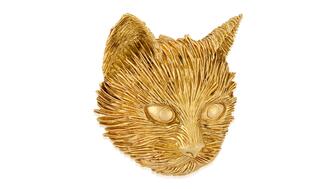
The Star Cats of the Sandy Lerner AuctionThese jewels stood out at Bonhams’ sale of the cat-loving tech entrepreneur’s collection of objects depicting the feline form.





Former Tacori designer Aja Raden on how the desire for jewelry has shaped the world and the diamond necklace she’d love to wear to Starbucks.


New York--The idea for Stoned took shape at a dinner party in Paris that lacked neither liquor nor literary connections.
Aja Raden, who spent nearly eight years designing jewelry for Tacori, was in town for the birthday celebration of her close friend and former college roommate Lauren Oliver, the best-selling author of the Delirium trilogy.
Seated next to Raden at the table was a woman who just happened to be wearing a Tacori engagement ring that she had designed and her soon-to-be husband, Stephen Barbara, who just happened to be Oliver’s agent.
The discovery that Raden designed not just any jewelry but that very ring led to a broader discussion about worth vs. cost, advertising campaigns and diamonds, peculiar histories and relative value.
And that’s how the idea for Stoned: Jewelry, Obsession and How Desire Shapes the World was born, at a table with one jewelry designer, an author and a literary agent. As Raden tells it, “Stephen Barbara was Laura’s book agent, and is now mine as well.”
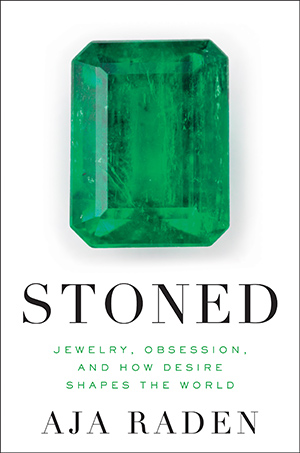
Published in December, the book tells the story of the role eight different jewels played in shaping history including: the diamond necklace that helped to spur the French Revolution, the watch and World War I, and the rise of the diamond as the gemstone of choice for engagement rings.
Since the book came out, NPR, The New York Times and Psychology Today are among those who have interviewed Raden.
Her 356-page nonfiction book, an intersection of science, history and all that sparkles, has earned a spot on the Times’ best-seller list, and found its way into the upper right-hand section of New York magazine’s Approval Matrix grid.
At the upcoming JCK show in Las Vegas, the author will be featured in a one-on-one conversation with JCK magazine Editor-in-Chief Victoria Gomelsky.
Before that, though, Raden took the time to chat with National Jeweler about writing Stoned.
National Jeweler: Some people write for years without getting a single thing published. How do you think this happened so fast? Was there just a niche in the market for a nonfiction book about jewelry?
Aja Raden: They (the publishers) were very keen to take a chance on me. There was an auction over who got the book rights. They were very excited about it, and I got put on the big books list for fall.
I didn’t have a hard


These jewels stood out at Bonhams’ sale of the cat-loving tech entrepreneur’s collection of objects depicting the feline form.

The fine jewelry brand has expanded the collection that debuted at Couture with four new designs based on its most popular styles.

The partnership, a pledge to protect Africa’s Okavango River Basin, has been extended for an additional five years.

Experience gemstones with greater precision and comfort than ever before.


The new facility, its first outside of Thailand, will boost its manufacturing capacity by 50 percent.


The special-edition “Dream” pendant, our Piece of the Week, was created to mark Hearts On Fire’s 30-year milestone with 30 diamonds.

Dubai Jewelers in Springfield, Virginia, was once again the target of an armed robbery.
Submit your pieces for a chance to win in this year's competition.


YouGov’s 2026 U.S. Most Recommended Brands report’s out, and a fast-fashion giant is sitting at No. 1 while Rolex is just shy of the top 5.

Proceeds from its jewelry raffle will benefit an organization working in India to combat silicosis, a lung disease affecting stone cutters.

The rings, crafted by Jason of Beverly Hills, celebrate the hockey team’s Stanley Cup win with design elements that honor its traditions.

This roundup of birthstone jewelry for October features vibrant tourmalines and opals with personality.

President Duma Boko spoke at back-to-back events in the city last week, touting Botswana’s stability and the diamond “bounceback.”

The catalog showcases 112 new, one-of-a-kind pieces amid highlights from the jeweler’s historic archive.

Its Montepuez Ruby Mining operation in Mozambique, which is not yielding enough high-quality rubies, has taken a $125 million hit.

Those surveyed were worried about the present and the future, with write-in responses mentioning high oil and gas prices.

The event will take place on the evening of Oct. 26 in New York City.

She is remembered for her joie de vivre, upbeat personality, genuine interest in other people, and love of the Alabama Crimson Tide.

Online bidding is open now for Julien’s sale of items owned by the “Walk On By” singer, whose final album comes out this fall.

The founder and executive chairman of Stuller Inc. is being honored for his impact on the jewelry industry at the 25th annual Gem Awards.

December is the most popular month to propose, and jewelers need to keep that in mind when planning their holiday marketing.

Cat ladies of the jewelry world, unite. Sandy Lerner’s collection of cat jewelry and other objects is going up for auction Wednesday.

“Vibrations” features several firsts for De Beers’ high jewelry, including the use of chalcedony and diamonds sourced from artisanal miners.

The “Bows” collection features three interpretations of the bow motif designed with Georgian and Victorian influences.

The American Gem Society recognized industry members, one Guild, and a law enforcement official for their contributions to jewelry.

Through a new system integration, customers can now receive instant personal jewelry insurance quotes at the time of appraisal.

Five of the 10 fastest-appreciating Rolex models on Bob’s Watches were Datejust 31 or Lady Datejust watches.



This site uses cookies to give you the best online experience. By continuing to use & browse this site, we assume you agree to our Privacy Policy