


IndependentsOct 27, 2026
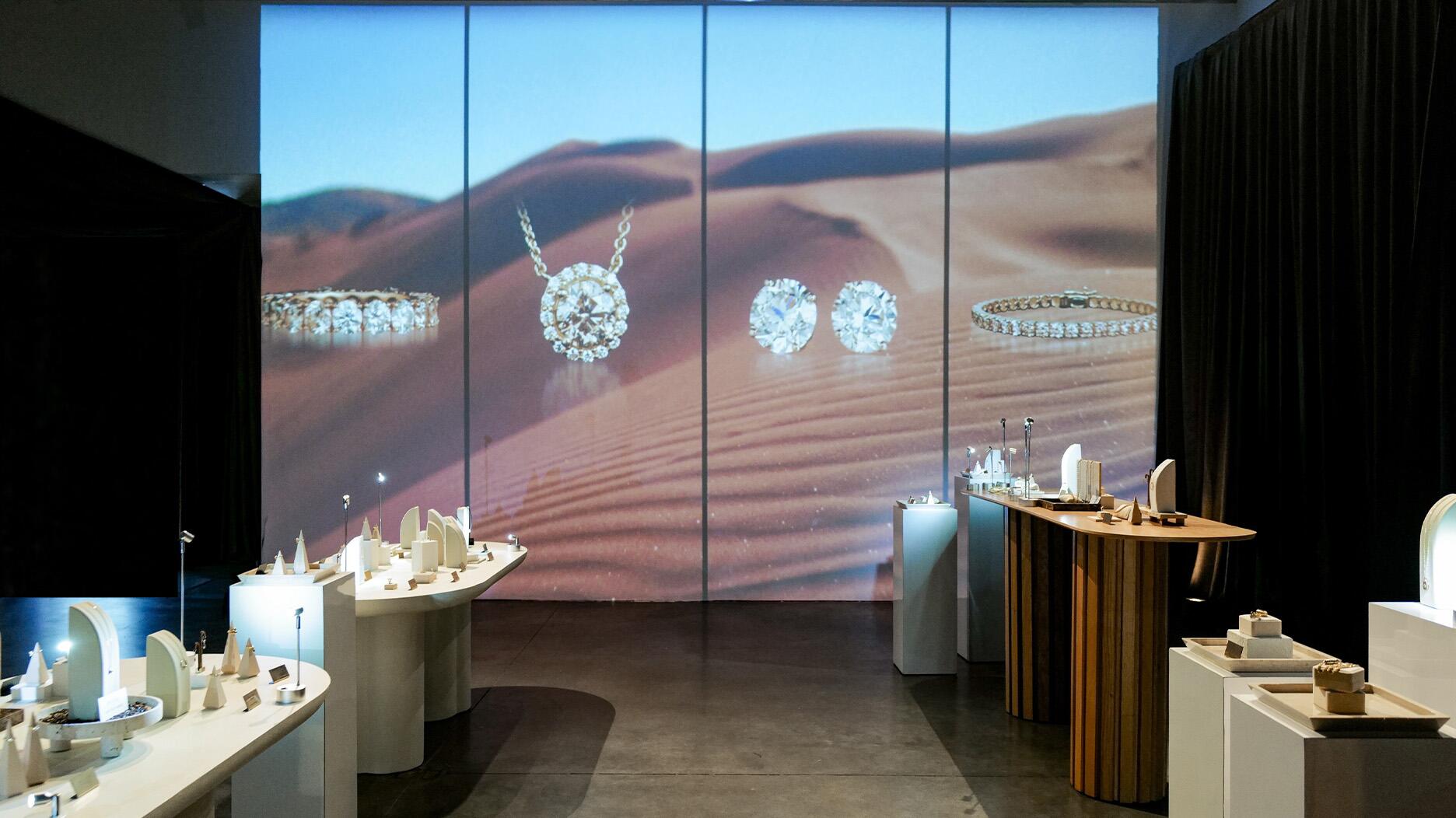
Solomon Brothers Acquires Mervis Diamond ImportersSolomon Brothers, which has three stores in the Metro Atlanta area, said it may continue to acquire other independent jewelers.


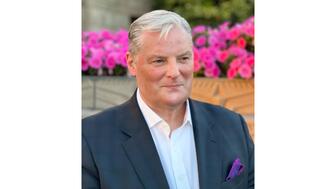



Founder Toby Pomeroy is in Ghana right now testing a technology called Goldrop with artisanal miners.


Corvallis, Oregon—The founder of the Mercury-Free Mining initiative is in West Africa to test a separation process that could fulfill his organization’s ultimate goal—to eliminate the need to use mercury in artisanal gold mining.
Oregon-based jewelry designer Toby Pomeroy, founder of MFM, left the United States for Ghana on Jan. 8 to begin 10 days of field-testing a technology called Goldrop.
Invented by John Richmond of Sluice Goose Industries and patented in the U.S. in 2018, the technology uses the elutriation process to separate gold, including all heavy elements and minerals, from mineral concentrate and tailings, Pomeroy explained to National Jeweler via email from Ghana.
Elutriation is a process of precipitating out particles by means of an upward current of fluid, often water or air.
The testing will take place in three artisanal mining communities in Ashanti, a region of in southern Ghana known for its gold production.
In a video, Pomeroy described the technology as low-cost, simple, portable and highly efficient.
RELATED CONTENT: What is the Mercury-Free Mining Challenge?Launched by Pomeroy in 2017, the initial goal of Mercury-Free Mining (originally called the Mercury-Free Mining Challenge) was to get the jewelry industry to put up a $1 million prize for the creation of a safe, scalable and effective alternative to the use of mercury in mining by artisanal gold miners.
View this post on InstagramA post shared by Mercury Free Mining Challenge (@mercuryfreemining) on Jan 12, 2020 at 12:37pm PST

Solomon Brothers, which has three stores in the Metro Atlanta area, said it may continue to acquire other independent jewelers.

The fine jewelry brand raised $2.3 million at its annual gala that supports the nonprofit’s fight against blood cancer and blood disorders.

The annual fundraising event is slated for June 6, 2027, at The Venetian Resort in Las Vegas.
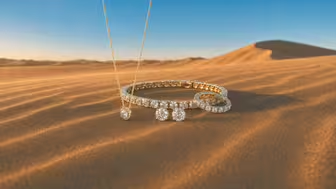
A Diamond Is Forever's holiday campaign reimagines natural diamond icons for a new generation celebrating individuality.


In her “Vantage” collection, Lau explores heritage, identity, and inner strength through designs featuring blue-green Guatemalan jade.


The jeweler gave the public backstage tours of its flagship store and its design and innovation workshop as part of LVMH’s open house.

Vote for which jewelry professional should dress up as a monster to support Jewelers for Children’s annual Halloween fundraiser.

Built on Relationships. Refined by Craft.


The closure is part of a global restructuring that also includes PGI winding down its operations in Japan, South Korea, and Hong Kong.

The website offers enhanced member benefit access, industry directories, educational resources, a job board, and access to the MJSA Journal.

Boucheron and Pomellato had a strong third quarter, with Kering looking at jewelry as an increasingly important part of its portfolio.

Tara Sinchuri was the owner of Everest Jewels in Fairfield, Ohio, and a father of three. He was found dead in his store on Tuesday.

Bespoke experiences from Buccellati and Verdura are on the retailer’s 2026 “Fantasy Gifts” list.

The number of participants at the fall show was up 12 percent.

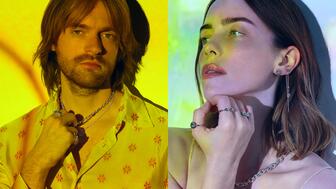
The Academy and Grammy award-winning siblings have collaborated with John Hardy on a new jewelry line inspired by their personal style.
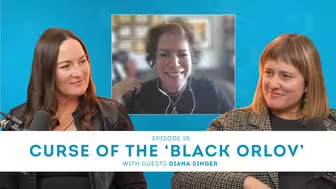

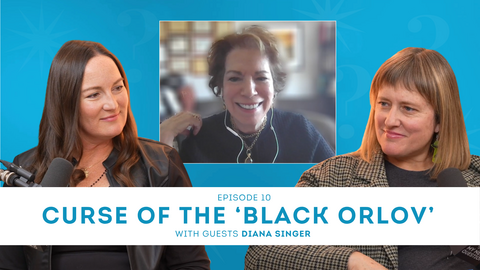
Diana Singer shared the stories of two “cursed” diamonds on this month’s podcast, which was inexplicably riddled with technical issues.

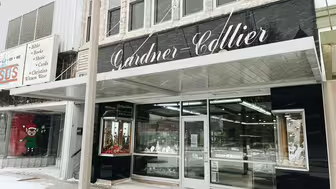
The family-owned jeweler has three locations across Missouri and Iowa.

The De Beers-owned diamond mine in South Africa is being put on ice as part of a round of previously announced cost-cutting measures.

The collection centers designs with clean geometric lines, chunky sculptural pieces, and recognizable details from the luxury fashion brand.
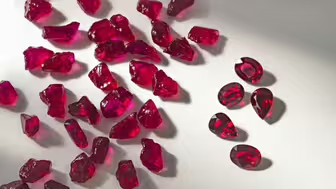
The miner said it saw particularly strong prices for larger, fine-quality rubies at the sale.

The guard opened fire on a man who was smashing a jewelry display case at La Gran Plaza in Fort Worth last week, police said.
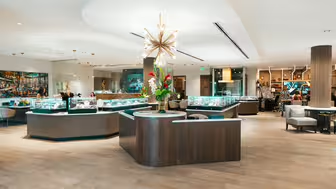
The Texas jeweler added 2,000 square feet to its reimagined showroom, complete with a new design studio and an event space.
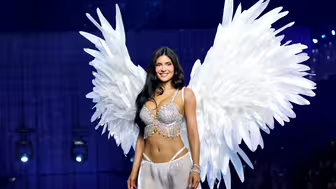
Jacob & Co.'s diamond masterpiece is the most expensive Fantasy Bra ever worn on the Victoria’s Secret Fashion Show runway.

The “Atelier” collection was inspired by the tools, rituals, and objects in an artist’s studio as a quiet rebuttal to an automated world.
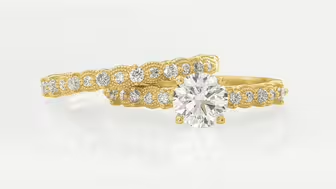
The pending acquisition is an “exciting opportunity” for wedding vendors to grow their business, said The Knot Worldwide’s CEO.

"The Secret Gems" features eight Thai jewelry brands paired with a team of young craftspeople who create jewelry together to win challenges.

The brand’s “Modern Talisman” capsule collection introduces pendants inspired by the mythology, natural world, and spiritual ethos of Bali.



This site uses cookies to give you the best online experience. By continuing to use & browse this site, we assume you agree to our Privacy Policy