


PodcastsOct 21, 2026
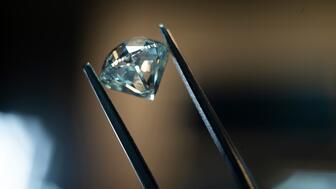
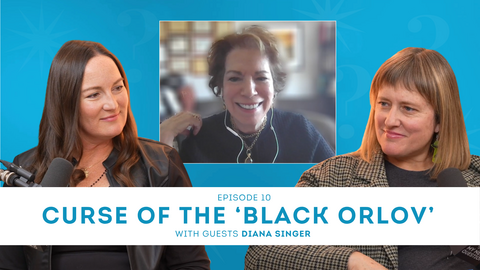
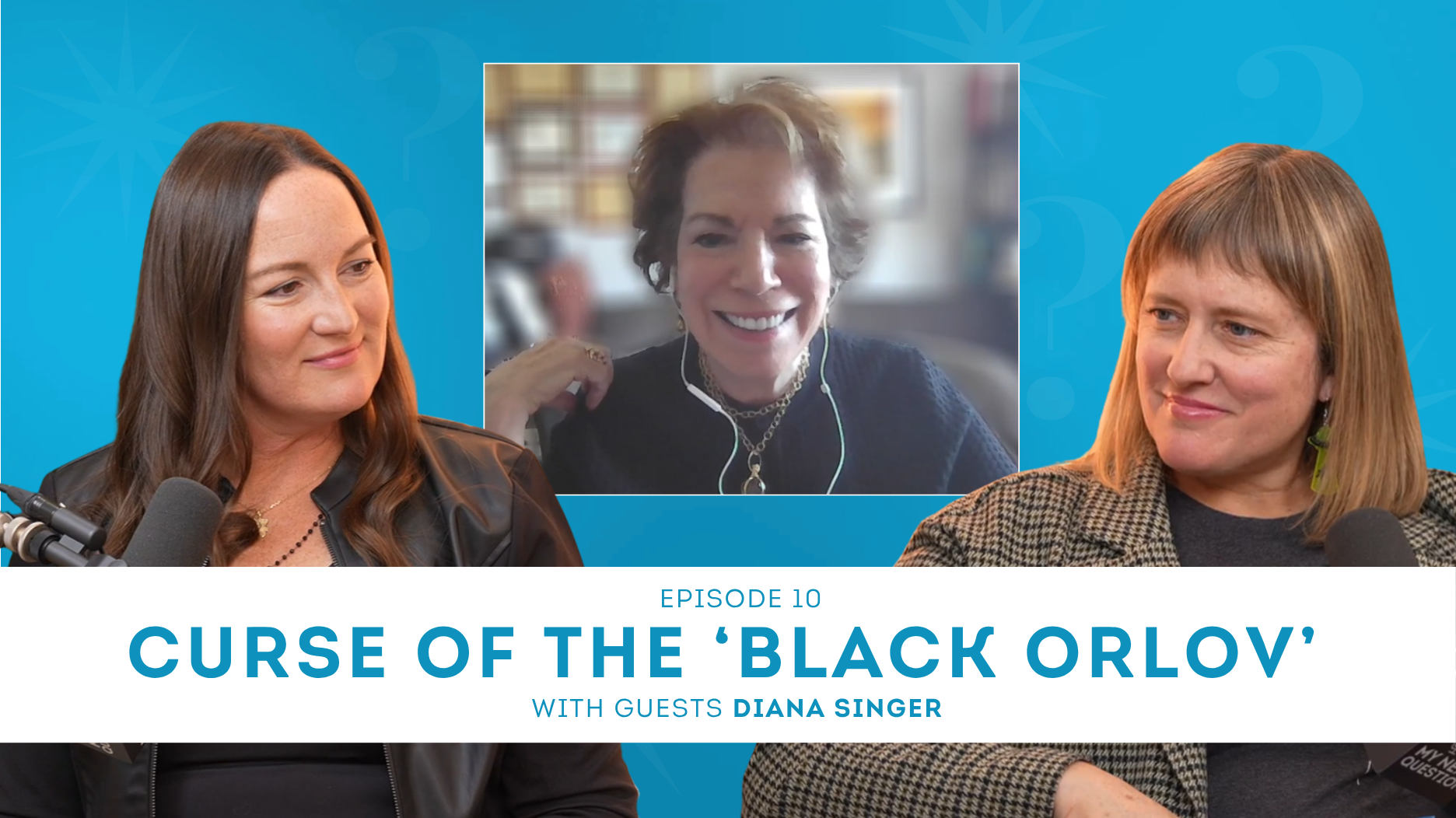
Episode 10: This Episode Is Haunted Diana Singer shared the stories of two “cursed” diamonds on this month’s podcast, which was inexplicably riddled with technical issues.






Tiffany & Co. spoke out for action against climate change this week, sparking debate both about its stance and the question: Is it bad for business to get political?


New York--Tiffany & Co. spoke out for action against climate change this week, sparking debate both about its stance and the question: Is it bad for business to get political?
The New York-based retailer had an advertisement in Tuesday’s New York Times asking President Donald J. Trump to keep the United States in the Paris Climate Agreement, the global pact to reduce greenhouse gas emissions from which the Trump administration is reportedly mulling a withdrawal.
The retailer also shared the message on Twitter, Facebook and Instagram on Tuesday morning, using black lettering against a backdrop in its signature robin’s egg blue.
As of Wednesday afternoon, the post on Facebook had more than 19,000 reactions, more than 2,000 shares and nearly 600 comments, many of which did not take issue with Tiffany’s stance but with a company that sells jewelry wading into politics.
As one user wrote: “Any responsible CEO who takes into consideration the value of their stock and a responsibility to their stockholders should never express, nor allow anyone to express, in the name of the company any sort of political opinion ever. This is not a statement of disagreement, it’s just a statement of fact. Keep business and politics separate.”
So, did Tiffany make a mistake in addressing the president and taking a position on climate change?
And is the separation of business and politics advice that all businesses, including independent jewelers, should take?
“I don’t think it’s smart for anyone to get political these days. I would not do it.” --Andrea Hansen, Luxe IntelligenceAndrea Hansen, president of Luxe Intelligence, which works on branding and business development with companies in jewelry, said while Tiffany endured some backlash for its ad, there was little risk in the company’s decision.



Diana Singer shared the stories of two “cursed” diamonds on this month’s podcast, which was inexplicably riddled with technical issues.
The family-owned jeweler has three locations across Missouri and Iowa.

The De Beers-owned diamond mine in South Africa is being put on ice as part of a round of previously announced cost-cutting measures.

A Diamond Is Forever's holiday campaign reimagines natural diamond icons for a new generation celebrating individuality.


The collection centers designs with clean geometric lines, chunky sculptural pieces, and recognizable details from the luxury fashion brand.


The miner said it saw particularly strong prices for larger, fine-quality rubies at the sale.

The guard opened fire on a man who was smashing a jewelry display case at La Gran Plaza in Fort Worth last week, police said.

Built on Relationships. Refined by Craft.


The Texas jeweler added 2,000 square feet to its reimagined showroom, complete with a new design studio and an event space.

Jacob & Co.'s diamond masterpiece is the most expensive Fantasy Bra ever worn on the Victoria’s Secret Fashion Show runway.

The “Atelier” collection was inspired by the tools, rituals, and objects in an artist’s studio as a quiet rebuttal to an automated world.
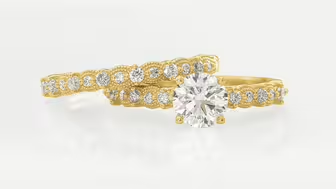
The pending acquisition is an “exciting opportunity” for wedding vendors to grow their business, said The Knot Worldwide’s CEO.

"The Secret Gems" features eight Thai jewelry brands paired with a team of young craftspeople who create jewelry together to win challenges.

The brand’s “Modern Talisman” capsule collection introduces pendants inspired by the mythology, natural world, and spiritual ethos of Bali.

Independent jewelers from New Mexico to New Jersey answer the question: What has kept your store in business for 100 years?

The NRF is expecting holiday sales to increase this year, but consumers and retailers alike are facing Grinch-like headwinds.

Our Piece of the Week gathers the planets, represented by a variety of colored gemstones, in a pair of 14-karat yellow gold earrings.
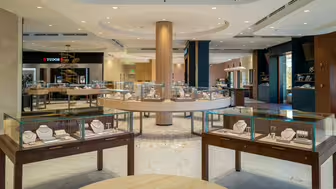
The New York-based jeweler is moving its Amherst flagship store to a larger location in nearby Snyder.

Chen, who worked at Cartier and Tiffany & Co., will lead retail sales and operations for the luxury jeweler’s 11 U.S. stores.

For 40 years, sisters Amy and Elise Greenberg have helmed their 126-year-old family business, leading with appreciation and integrity.

It’s a term Smith coined and felt compelled to share following a bad experience with an aborted flight and an unfeeling flight attendant.

Movado teamed up with the New York-based fine jewelry designer on a new collection of Movado Museum Velura watches.
The two companies are reportedly in talks to join the Global Diamond Consortium, led by former De Beers CEO Gareth Penny, as per Bloomberg.
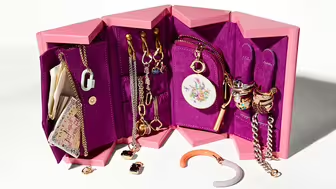
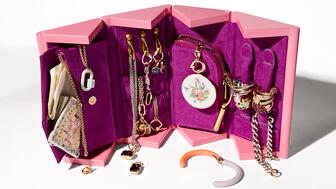
The “Some of the Things” box follows the two larger “Everything” box designs with the look and function of antique sewing and toolboxes.

Fourth-generation jewelers Coleman and Mitchell Clark exemplify the best qualities of their predecessors: humility, modesty, and confidence.

The gem hunter, whose 70-year career was defined by adventure and exploration, is remembered for his steadfast faith and sense of wonder.

Tiffany & Co. continued its full-scale store renovation project while Bulgari’s high jewelry collection generated “record-breaking revenue.”



This site uses cookies to give you the best online experience. By continuing to use & browse this site, we assume you agree to our Privacy Policy