






IndependentsOct 15, 2026
Retailer Hall of Fame 2026: Amy and Elise Greenberg IndependentsOct 19, 2026
The Stories of 5 Jewelers Celebrating Their Centennials in 2026
Independent jewelers from New Mexico to New Jersey answer the question: What has kept your store in business for 100 years?


Eight stores that are members of Jewelers of America turned 100 this year and National Jeweler interviewed five of them for a special feature in the 2026 Retailer Hall of Fame issue. They are, from left to right, Robson’s Jewelers (top), Van Horne & Co. Jewelers, Fliegauf Jewelers (top), Kloiber Jewelers, and Bullock’s Jewelry. (All photos in this story are courtesy of their respective stores.)
Last year, there was one jeweler who joined the “JA 100 Club,” Jewelers of America’s list of member stores that have been in business for 100 years or more.
This year, there were eight, including New York’s London Jewelers, which was the subject of a feature story in the 2025 Retailer Hall of Fame issue.
The remaining seven are, in alphabetical order: Bullock’s Jewelry in Roswell, New Mexico; Fliegauf Jewelers in Washington, New Jersey; Kloiber Jewelers in Milwaukee, Wisconsin; Robson’s Jewelers in Baytown, Texas; The Diamond Shop in Lewiston, Idaho; Van Horne Jewelers in Granger, Indiana; and Wilson’s Jewelers in North Palm Beach, Florida.
The Diamond Shop could not be reached for an interview by deadline and Wilson’s Jewelers declined to be interviewed.
These stores provide proof of what we already know about the fine jewelry business.
People all over the country, from small towns in New Jersey and New Mexico to mid-sized cities like Milwaukee and major metropolitan areas like Houston, buy jewelry to mark special occasions, but that doesn’t mean being an independent retailer is easy.
There’s competition from large specialty jewelers, big-box stores, and brands that have hundreds, sometimes thousands of stores, and/or sell online.
There are security concerns, staffing worries, and, increasingly in recent years, broader socioeconomic problems that are trickling down to small businesses, such as sanctions and tariffs.
So, amid all of this, we asked these jewelers: What has kept your store in business for 100 years?
People Who Push You
For 142 years, the Jewelers Board of Trade has been keeping tabs on the numbers of businesses in the jewelry industry for the broader purpose of disseminating credit information.
In recent years, the organization’s quarterly Vital Statistics reports have been making headlines because they provide proof of what so many already know: the industry is slowly but steadily losing retailers.
At the end of 2016, there were 20,124 retailers in United States, down 6 percent from 2015, according to JBT data.
Fast-forward 10 years and that number now stands at 16,620 (as of Q2 2026), a 17 percent drop from a decade ago.
There are myriad reasons a jeweler might decide to close their store, including the growing costs and complications involved in running a small business today.
Owner demographics also play a part.
Many jewelry store owners are baby boomers who are reaching, or have already reached, retirement age and have no one to take over the family business because the next generation just doesn’t want to work in jewelry.
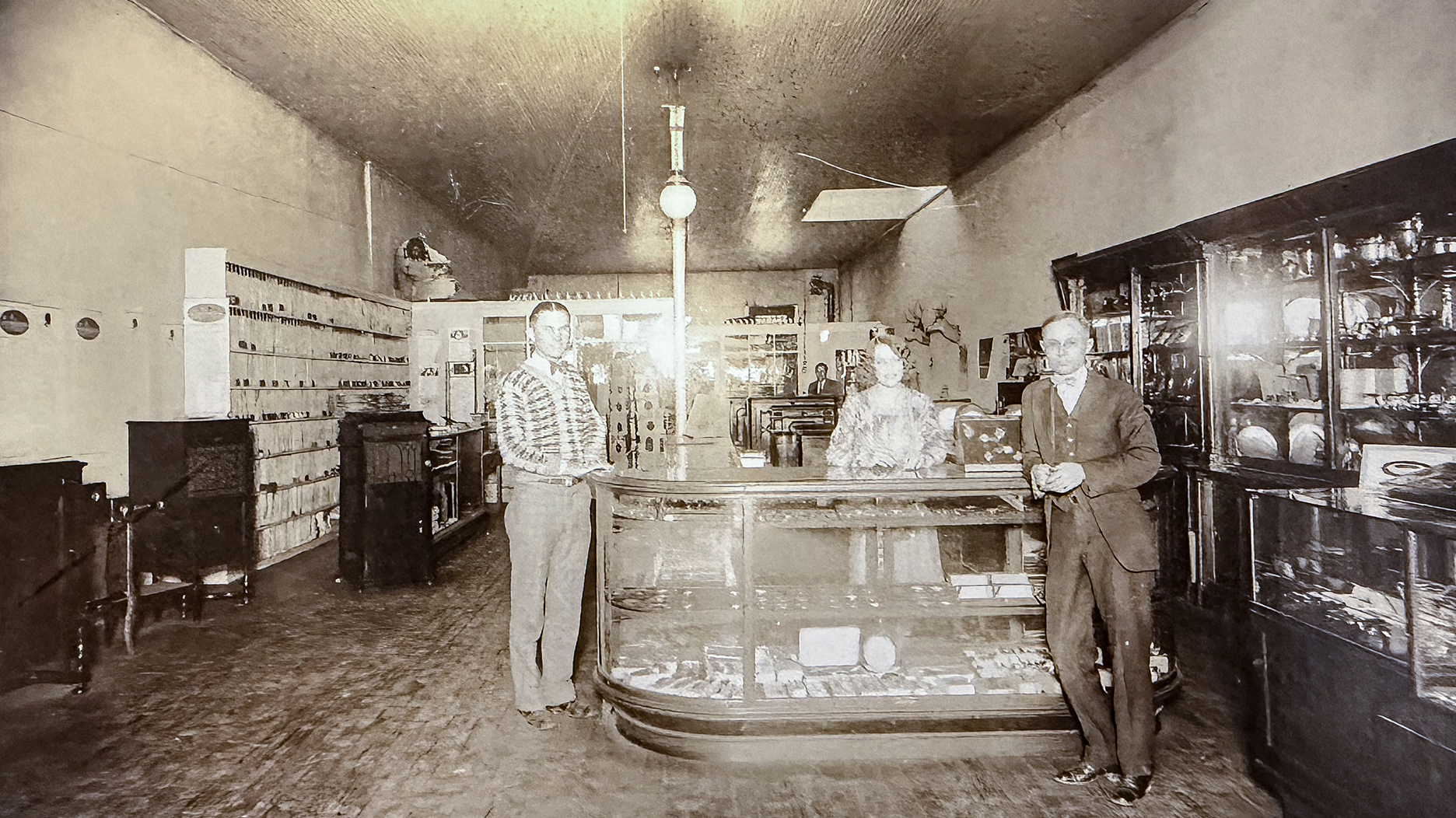
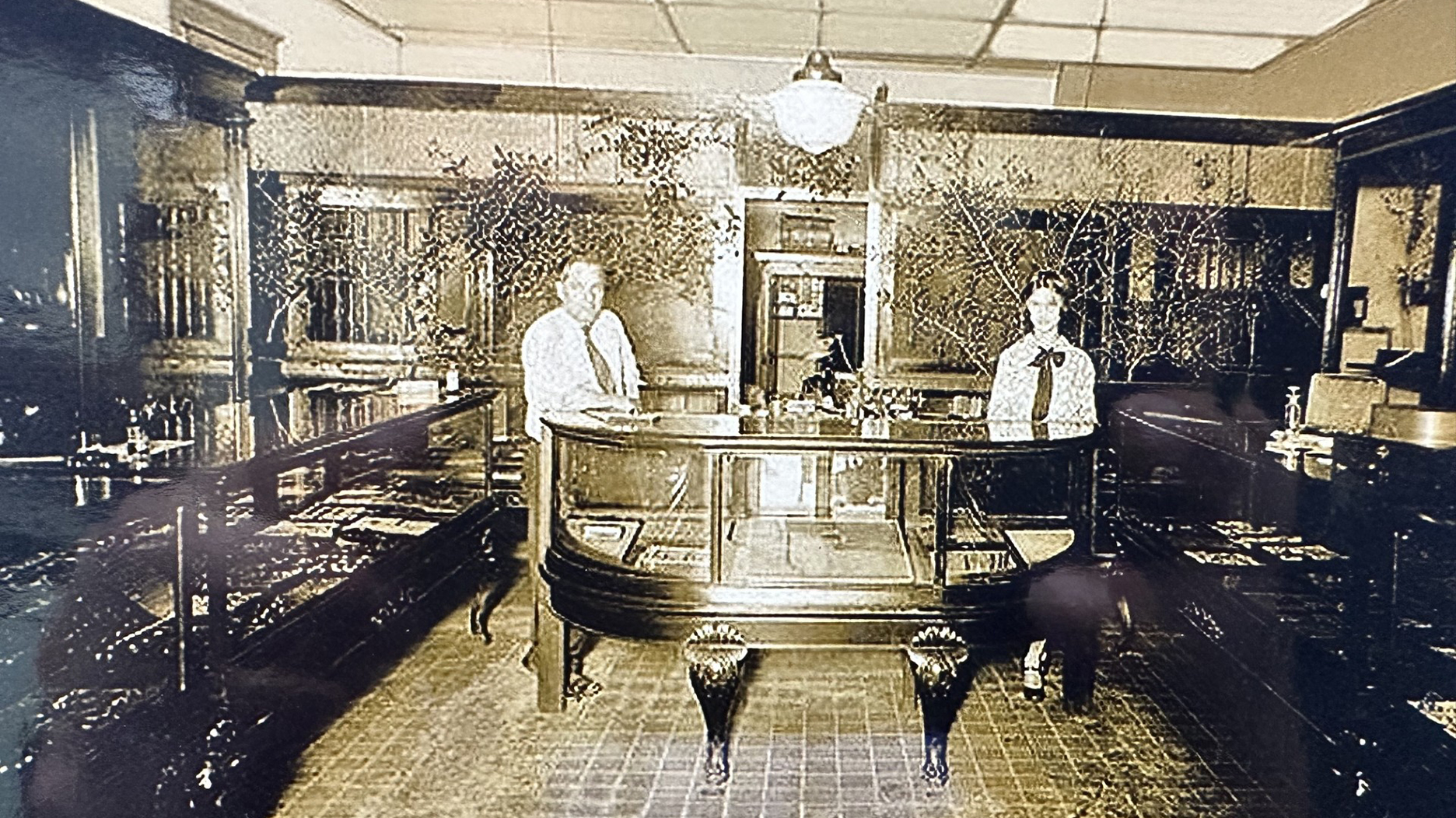
O.L. Bullock (standing in front of the showcase at the far right) opened Bullock’s Jewelry in 1926.
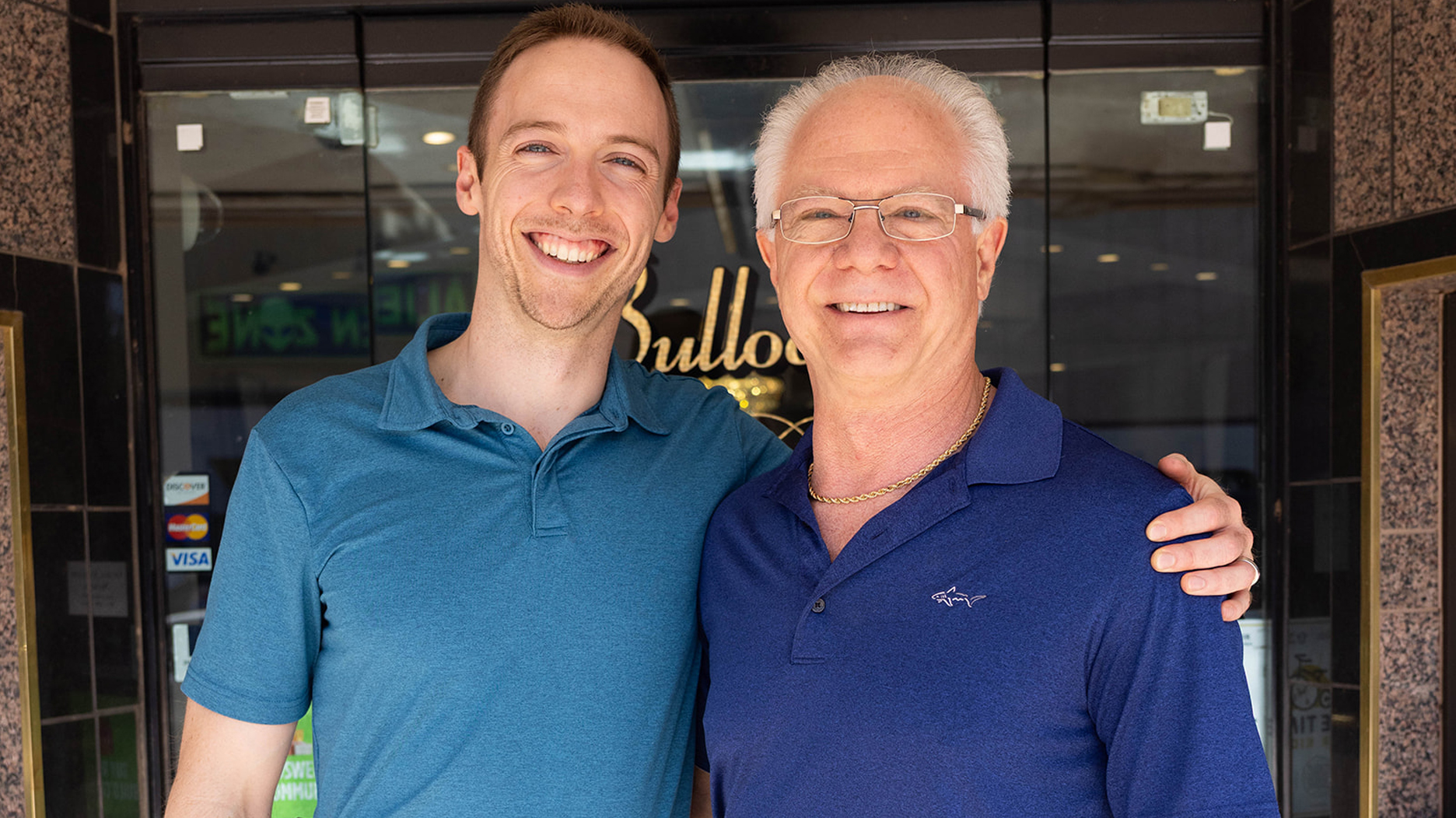
Today, the store remains in the Bullock family, run by Kyle Bullock (left) who purchased it from his father, Don Bullock (right).
Kyle Bullock, the millennial owner of Bullock’s Jewelry, says for many of his peers, the choice is clear: You can put in 50 to 60 hours a week running a small business, be on call 24/7 and barely get by, or you can take a better-paying corporate job and clock out at the end of the day.
“I’ve watched a whole generation take the latter deal because the store just isn’t worth buying,” he says.
Kyle thought the same—he studied psychology when he was in college in Texas—but, like a tractor beam emanating from a UFO, jewelry pulled him in.
He helped with the class ring program in college and moved back to Roswell in 2014 with the intention of eventually taking over the business his great-grandfather, O.L. Bullock, started in 1926.
In 2024, Kyle bought the remaining shares his father, Don Bullock, held in the business and became the fourth-generation owner of Bullock’s Jewelry.
When asked what has kept the store going for 100 years, Kyle paraphrases Warren Buffett: “Businesses that delight their customers last.”
That’s true, but Bullock’s Jewelry also benefited greatly from Don’s willingness to change.
“You’re only as good as your mentor, and sometimes you need to surround yourself with people who challenge you.” – Kyle Bullock, Bullock’s Jewelry
As Kyle tells it, his father realized in the late ‘90s/early 2000s that the growing use of home personal computers and the internet were going to change the world, and he got on board early, something many independent jewelers did not do.
“He was willing to embrace technology and where things were growing. But the thing that honestly changed [our business] was that he hired a consulting firm and surrounded himself with people who were gifted in challenging him to make the business profitable,” Kyle explains.
The firm advised that Bullock’s Jewelry had too much dead inventory and not enough cash in the bank—a predicament that plagues many independent jewelers—and to his credit, Don listened and adjusted the business accordingly.
“You’re only as good as your mentor, and sometimes you need to surround yourself with people who challenge you. You should surround yourself with voices who are willing to push you and he did. I’m glad he did; it changed my life,” Kyle concludes.
Pioneering Women
Each of the stores featured in this story has a different origin story.
The story of Fliegauf Jewelers is typical and straightforward.
A native of Baden, Germany, Oscar Fliegauf learned the trade of watchmaking as a boy and immigrated to the United States in 1899.
He opened Fliegauf Jewelers in 1926 and sold it to his son Arthur Fliegauf in 1944. Arthur, in turn, passed it on to his son Roy Fliegauf.
Roy’s son did not want to work in or own the store, so he called his nephew Greg Fliegauf and asked him if he was interested in working at the retailer.
That was in 1997.
“We have a reputation of doing good work, having fair pricing. Our customer service has just kind of separated us from everybody else, I think.” – Greg Fliegauf, Fliegauf Jewelers
“I didn’t know anything about jewelry at all and now I’m just totally into it,” says Greg, who has owned the store since 2013. “I haven’t looked back since.”
One of the first lessons Roy taught Greg was to treat the $5 customer the same as the $500 customer. Today, it’s more like the $50 and the $5,000 customer, but the same principle applies and Greg has never forgotten it.
“We have a reputation of doing good work, having fair pricing,” he says. “Our customer service has just kind of separated us from everybody else, I think.”
Bullock’s Jewelry and Robson’s Jewelers, however, have more unconventional histories, with women running both stores during periods when few women worked outside of the home.
Kyle said his father Don was a teenager when his father, Dixon Bullock, died, leaving Don’s mother, Pat Bullock, with two sons to raise and a jewelry store to run in 1970s Roswell.
Don stepped in to manage the store, but it was a lot for a 17-year-old boy to handle. Kyle remembers stories about his father getting “laughed out of banks” when he attempted to secure financing for the store.
“My grandmother, in her leadership, saw something in my dad and believed in my dad to let him do that,” Kyle says.
Robert and Hattie Robson of Robson’s Jewelers. Robert opened his jewelry store in 1926 and all five of their children worked in the family business. They passed the business down to their eldest daughter, Grace Hargrave, in the early 1940s.

Today, Paul Hargrave owns and operates the still-family-owned jewelry store.
Robson’s Jewelers founder Robert Robson was born in North Shields, England, and trained in pocket watch and compass repair. He won a ticket for a spot on a ship to America and landed in Gulfport, Mississippi.
In the 1920s, the lure of Texas’ booming oil industry drew him to the Tri-Cities area outside of Houston (now known as Baytown), where he opened Robson’s Jewelers in 1926.
Robert and his wife, Hattie Larson, had five children, all of whom worked in the family business.
They passed the business down to their eldest daughter, Grace Hargrave, in the early 1940s, an “unusual” move at that time, notes Paul Hargrave, the fourth generation of the Robson/Hargrave families to run Robson’s Jewelers.
“My grandmother was pretty phenomenal,” he says.
While women played pivotal roles in the development and survival of Robson’s Jewelers and Bullock’s Jewelry, Kloiber Jewelers in Milwaukee is the only store on this centennial list run by a woman today.
Emily Dahm is the owner of Kloiber Jewelers, the business Frank Kloiber started in 1926.
As Emily tells it, Frank sold the business to his son Clyde Kloiber for a dollar. Clyde did not have any children, so he willed the business to two of his employees in 2001.
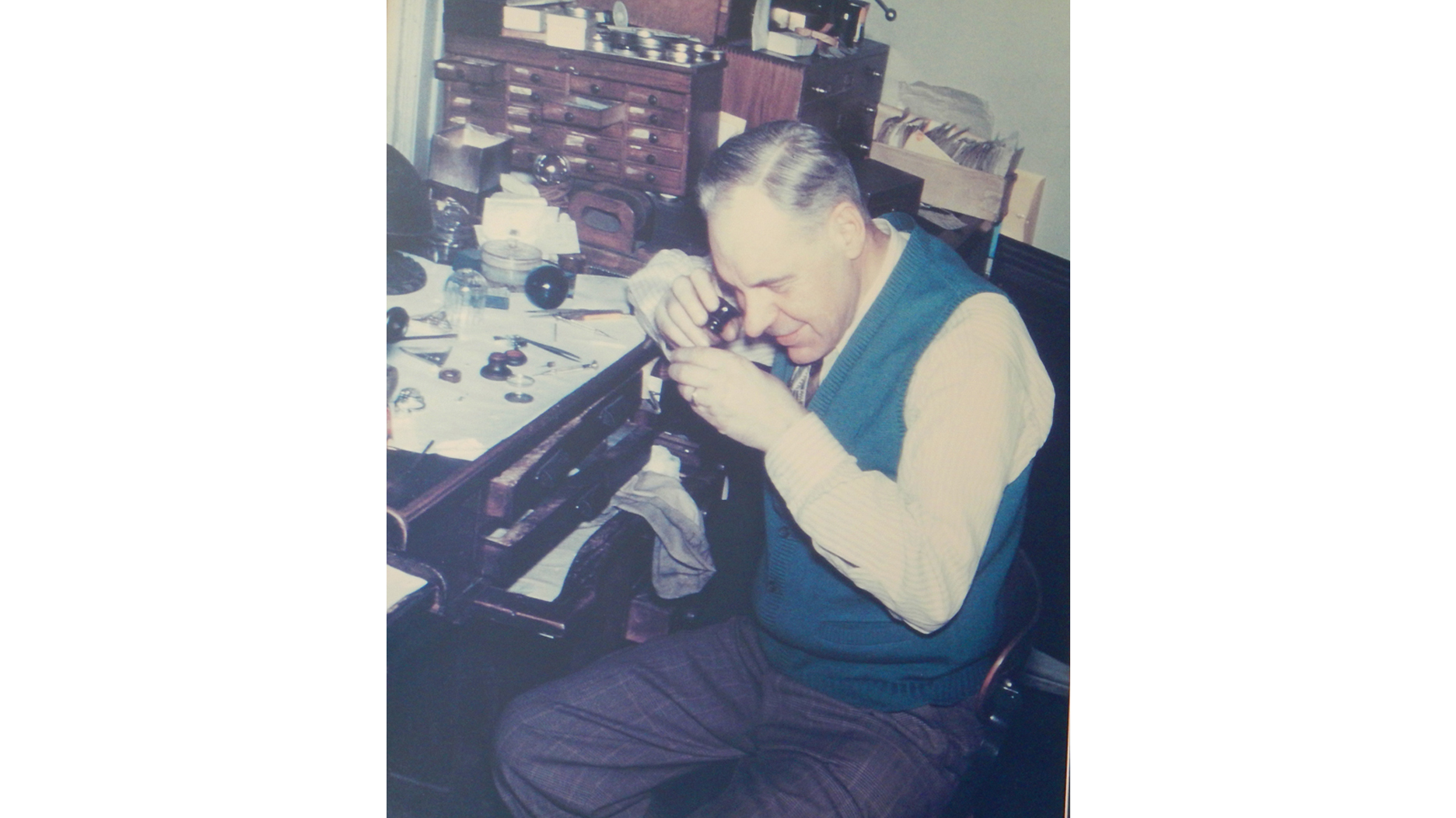
Frank Kloiber, founder of Kloiber Jewelers, in an undated photo

Longtime employee Emily Dahm (right) is the current owner of Kloiber Jewelers, which she bought from Karin Volz (left) earlier this year.
One of them, Karin Volz, bought out her co-owner and ran the store until this past May, when she retired and sold the business to Emily.
Emily says when Karin first approached her about buying the store in January, it wasn’t a hard decision.
“I love the store, I love jewelry, I love gemstones,” she says. “This is something I want to continue to do for the rest of my life.”
Like any store that’s been in business for 100 years, Kloiber Jewelers has survived the Great Depression, World War II, the turmoil of the ‘60s and ‘70s, the Great Recession, and COVID-19.
“The little things mean a lot to the customers.” – Emily Dahm, Kloiber Jewelers
Emily says the store saw a drop in sales in the early days of internet shopping, but its reputation, service, and team’s ability to help consumers filter through all the information online about jewelry, including the four Cs and the differences between natural and lab-grown diamonds, remain untouchable.
“I find that a lot of our customers come to us looking for advice and education,” she says.
Kloiber Jewelers also offers a level of service and personal attention that customers often cannot find at big-box or chain stores and definitely do not find online.
Emily tells the story of a customer who came in one afternoon looking to buy a relatively inexpensive piece of jewelry for a photoshoot.
Nothing in her budget seemed like it would make a big enough statement, so Kloiber Jewelers lent her a piece to wear for the afternoon.
“The little things mean a lot to the customers,” Emily says.
Adopting Another Family’s Business
Like Kloiber Jewelers, Van Horne Jewelers is no longer in the hands of the founding family.
In fact, a person with the last name of Van Horne hasn’t owned the store since the 1960s when founder Ralph Van Horne sold it to one of his employees, Madison Knight Sr.
Knight Sr. passed the store down to his son, Madison Knight Jr., who ran the business until earlier this year when he quietly sold it to another independent jeweler in Indiana, James Ball.
James is the owner of Peter Franklin Jewelers, a jewelry store in New Haven, Indiana, that he and his brother, the late Peter Franklin Ball, took over and renamed in 1988. There are now four Peter Franklin Jewelers locations, all in northeast Indiana.
James’ son Karsten Ball, a director at the West Jefferson store, says the Van Horne Jewelers acquisition made sense for Peter Franklin Jewelers’ growth plan.

Ralph Van Horne opened Van Horne Jewelers in 1926, at one point offering customers “pay Van as you can” financing.
Van Horne Jewelers is farther north and more central than Peter Franklin’s Indiana stores, in a good market with a healthy economy. Notre Dame University is right there, as are Holy Cross College and Saint Mary’s College, and Chicago is less than two hours away.
The two retailers have a similar customer base and took the same approach to lab-grown diamonds; they stock only lab-grown loose diamonds and stud earrings.
If customers want a wider range of lab-grown diamonds, pieces in other categories can be ordered at both stores.
“At the end of the day, we look at the market, and we try to do what’s best for our customers while also trying to make the best decision for the company,” Karsten says. “We don’t want to lose a customer because we’re not offering something.”

James Ball, another independent jeweler in Indiana, bought Van Horne Jewelers in Granger earlier this year.
Peter Franklin Jewelers kept all the Van Horne Jewelers employees following the acquisition as well as the business’ name.
Karsten says the store’s connection with their customers is strong, noting that everybody who comes in knows at least one or two staff members, and they chat about running into each other outside the store.
“Clearly, good people who were good leaders ran the store for a long time and got a good reputation, which is ours now to uphold,” Karsten says.
Challenges: From AI to K
Paul, owner of Robson’s Jewelers, is not the type to let the latest headlines affect the vibes in his family’s jewelry store.
“There’s always something going on, either in the Middle East, in Asia, or here at home. I think the focus [needs to be on] not getting off topic and focusing on your customer,” he says.
“People are always going to get engaged, people are always going to have anniversaries, people are always going to have occasions.”
Paul says too many small business owners watch the news and let it take away from their “good local business sense.”
Jewelers know (or should know) what their customers want and how to serve them. Do it and ignore the rest, Paul says.
“Honestly, the guy coming into the store who’s 22 years old and [just fell in love], all he’s thinking about is her,” he concludes.
While most headlines don’t distract him, Paul does have one concern when he thinks about the future of Robson’s Jewelers and his blue-collar hometown: the potential for artificial intelligence to take jobs away from people.
“That’s a realistic threat,” he says. “That’s a legitimate worry.”
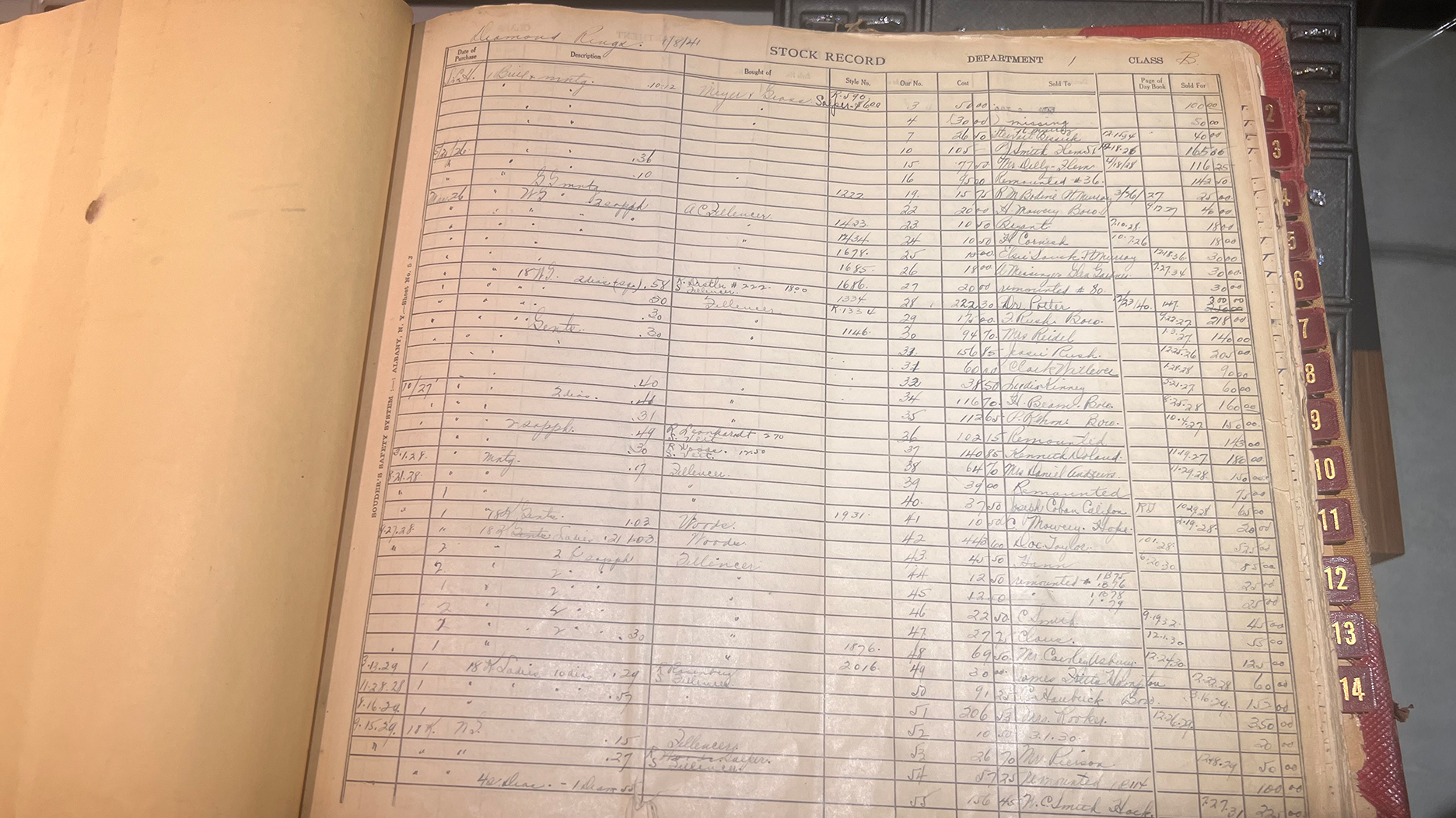
This ledger from 1926 contains a record of the first sales made at Fliegauf Jewelers.
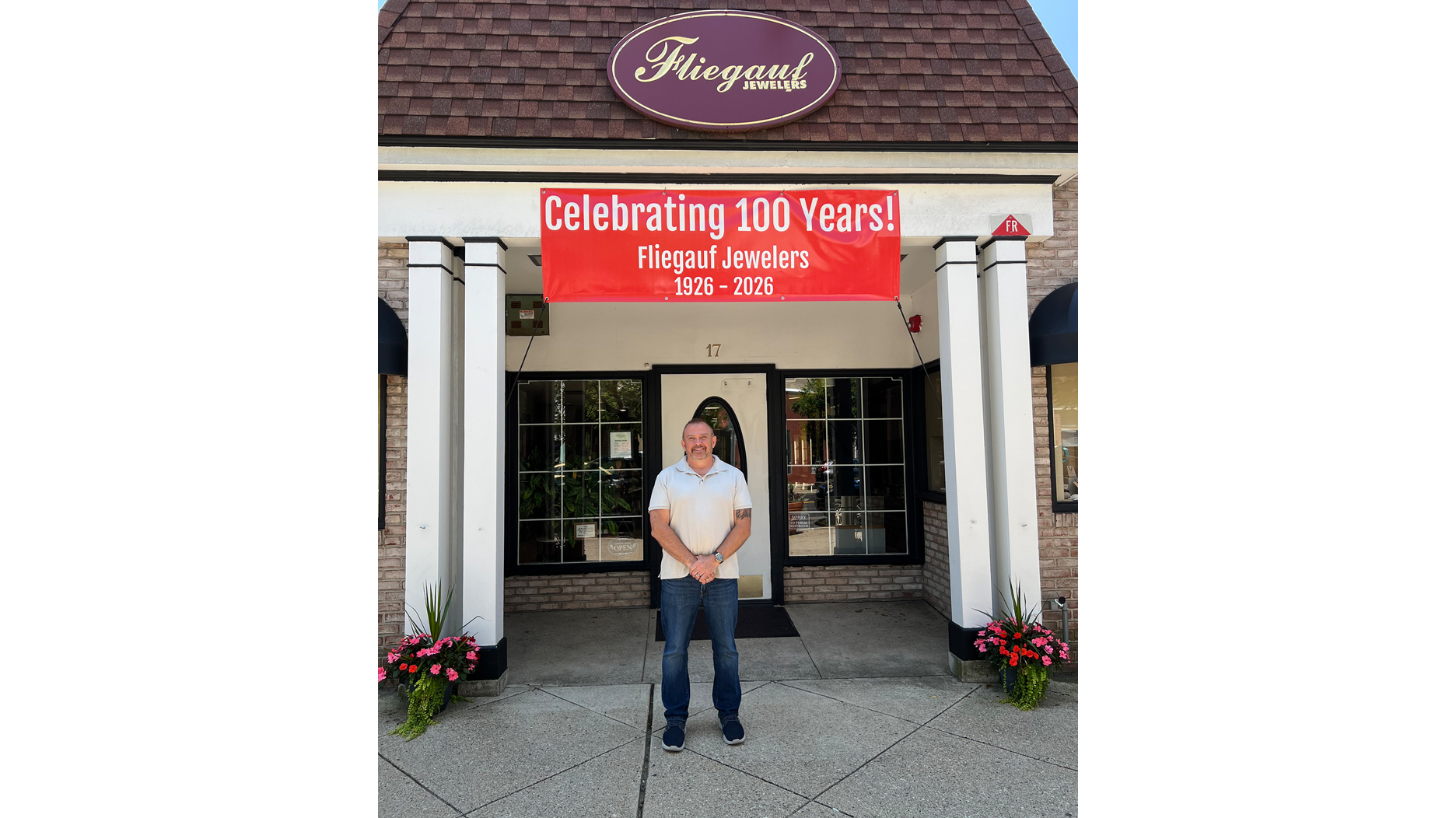
Current owner Greg Fliegauf in front of the store today. He said a big part of the store’s business involves remaking customers’ existing jewelry into something more modern. He is concerned about finding a replacement when the store’s long-time bench jeweler retires.
Other trends that are of concern to independent jewelers include the decline in in-store foot traffic, the rise of the K-shaped economy, and the lack of next-generation bench jewelers.
“K-shaped” is the term economists use to describe the country’s growing economic disparity.
High-income households continue to accumulate wealth while middle- and low-income households accumulate debt, suffocating under the weight of rising housing costs and higher prices for necessities like food and gas.
Emily says she’s noticed a dropoff in spending among Kloiber Jewelers’ middle-class customers, while overriding economic trends have prompted Kyle, owner of Bullock’s Jewelry, to change his approach to lab-grown diamonds.
Kyle was, by his own admission, “heavily” into lab-grown diamonds in the early days but has re-evaluated out of concerns about declining foot traffic and middle-class consumers’ pullback in spending.
He now stocks only a small selection of lab-grown jewelry set in silver, not gold.
“[Lab-grown diamonds] serve a purpose and a function much like silver does,” Kyle says. “You could never sell enough silver jewelry to make up for not selling gold and diamonds.”
At Fliegauf Jewelers, owner Greg says custom work is a big part of the business, made possible by the skills of Pete Benson, who has been the store’s full-time, full-service bench jeweler for 35 years.
“That’s really where we shine now, remounting customers’ stones into something new,” Greg says.
Greg says Benson will probably put in another five years behind the bench before he retires and Greg must figure out how to lure a new bench jeweler to a more rural area of New Jersey.
“It’s going to be tough,” he acknowledges.
“I don’t see any reason why the store can’t continue for another 100 years, but it’s all up to us.” – Karsten Ball, Van Horne Jewelers
From Karsten’s perspective, the challenges facing independent jewelers are always changing, and they are store-dependent too. What’s a problem at the Peter Franklin Jewelers store in Angola, Indiana, might not necessarily affect business at Van Horne Jewelers.
Still, he’s hopeful about the future, particularly at Van Horne Jewelers.
They threw a 100th birthday party for the store on July 17, offering exclusive savings and giving out $10,000 in store credit.
It was a way of honoring the milestone while carrying on the tradition of connecting with the community that started with the Van Horne family, continued with the Knights, and now is in the hands of the Ball family.
“I don’t see any reason why the store can’t continue for another 100 years, but it’s all up to us, which is a good feeling,” Karsten says. “We have to continue to provide the service, continue to have a good reputation, and make sure [the customers] are leaving happy.”


More on Independents



The Latest

SourcingOct 19, 2026
Jewelry Design Competition Show Airs in Thailand"The Secret Gems" features eight Thai jewelry brands paired with a team of young craftspeople who create jewelry together to win challenges.


CollectionsOct 19, 2026
John Hardy Enters the Medallion Chat With Talisman Collection The brand’s “Modern Talisman” capsule collection introduces pendants inspired by the mythology, natural world, and spiritual ethos of Bali.

MajorsOct 19, 2026
The Knot to Acquire Rival Wedding Planning Platform ZolaThe pending acquisition is an “exciting opportunity” for wedding vendors to grow their business, said The Knot Worldwide’s CEO.

Brought to you by
Meet Gemology’s Next Generation Microscope: GIA® Gemolite® NXT Professional EditionExperience gemstones with greater precision and comfort than ever before.


SurveysOct 16, 2026
How Inflation, Gas Prices Will Affect Holiday Sales The NRF is expecting holiday sales to increase this year, but consumers and retailers alike are facing Grinch-like headwinds.
Weekly QuizOct 15, 2026
This Week’s QuizTest your jewelry news knowledge by answering these questions.

CollectionsOct 16, 2026
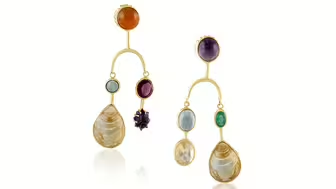
Christina Puchi’s Earrings Hold the UniverseOur Piece of the Week gathers the planets, represented by a variety of colored gemstones, in a pair of 14-karat yellow gold earrings.

MajorsOct 16, 2026
Katy Chen Appointed Executive Vice President of Graff USA Chen, who worked at Cartier and Tiffany & Co., will lead retail sales and operations for the luxury jeweler’s 11 U.S. stores.
Brought to you by
Your Piece Could Be the One Editors Talk AboutSubmit your pieces for a chance to win in this year's competition.


ColumnistsOct 15, 2026
Peter Smith: What Is the Culture REP?It’s a term Smith coined and felt compelled to share following a bad experience with an aborted flight and an unfeeling flight attendant.

WatchesOct 15, 2026
Stephanie Gottlieb’s New Movado Watches Are Made for Your Wrist StackMovado teamed up with the New York-based fine jewelry designer on a new collection of Movado Museum Velura watches.
SourcingOct 15, 2026
Signet Jewelers, Richemont May Join Bidder for De Beers, Report SaysThe two companies are reportedly in talks to join the Global Diamond Consortium, led by former De Beers CEO Gareth Penny, as per Bloomberg.
CollectionsOct 15, 2026
Wolf x Marla Aaron's New Jewelry Box Is for Some (Not All) of Your ThingsThe “Some of the Things” box follows the two larger “Everything” box designs with the look and function of antique sewing and toolboxes.

IndependentsOct 14, 2026
Retailer Hall of Fame 2026: Coleman and Mitchell ClarkFourth-generation jewelers Coleman and Mitchell Clark exemplify the best qualities of their predecessors: humility, modesty, and confidence.

SourcingOct 14, 2026
Manuel Marcial de Gomar, ‘The Emerald Whisperer,’ Dies at 90The gem hunter, whose 70-year career was defined by adventure and exploration, is remembered for his steadfast faith and sense of wonder.

FinancialsOct 14, 2026
LVMH’s Jewelry Brands Turn in ‘Very Good’ Performance in Q3 Tiffany & Co. continued its full-scale store renovation project while Bulgari’s high jewelry collection generated “record-breaking revenue.”

Events & AwardsOct 14, 2026
Chicago Responsible Jewelry Conference Releases 2026 ProgramThis year’s sessions feature leading voices from human rights, legal, and conservation organizations.

MajorsOct 13, 2026
David Webb Owner Purchases Lugano JewelryThe high-end jewelry retailer was sold to private investment firm Middle West Partners and a group of longtime clients.

Lab-GrownOct 13, 2026
Stephanie Gottlieb Takes Lab-Grown Diamond Collection WholesaleThe jewelry designer has partnered with Sofer Jewelry to distribute her 85-piece lab-grown diamond collection.

IndependentsOct 13, 2026
Retailer Hall of Fame 2026: Sean DunnDunn, this year’s Single-Store Independent inductee, is passionate about innovation and telling the story of natural diamonds.

AuctionsOct 13, 2026
Christie's Geneva To Auction 'Bulgari Pink' DiamondThe 24-carat fancy intense pink diamond ring could fetch up to $18 million at the November sale.

IndependentsOct 13, 2026
Greenwich St. Jewelers’ New Candle Smells Like HomeThe “Island Jewel” candle honors New York City and Puerto Rico and raises money for the island’s water relief efforts.
TechnologyOct 13, 2026
GemFind Is a New JA Member Benefit Partner The partnership will give JA members access to preferred pricing, exclusive benefits, technology solutions, education, and resources.

SurveysOct 09, 2026
These Will Be the 10 Busiest Days for In-Store Shopping This Holiday SeasonStores should expect to see the most customers on Nov. 27, and Christmas week is expected to be hectic too, as Dec. 25 falls on a Friday.

CollectionsOct 09, 2026
Elisa Solomon Collabs With Serendipity 3 on ‘Frozen Hot Chocolate’ CharmThe charm, our Piece of the Week, features brown diamond frozen hot chocolate topped with white diamond whipped cream and a ruby straw.

AuctionsOct 09, 2026
8-Carat Blue Diamond Goes Unsold at UK Jewelry Auction The top lot of Elmwood’s recent fine jewelry sale in London was a 1.84-carat, D color Tiffany & Co. solitaire diamond ring.

WatchesOct 09, 2026
Movado to Sell Majority Stake in Ebel for $66.5MThe watch company agreed to sell a 95 percent interest to a group comprised of F.P. Journe, Chanel, and Swiss watch exec Pierre Jacques.

Policies & IssuesOct 08, 2026
Third Wave of IEEPA Tariff Refunds Begins This round of tariff refunds is for importers that have sued over IEEPA tariffs in the Court of International Trade and won.


